Bioactive Properties of Chitosan/Nanocellulose Films Loaded with Sage Essential Oil: From In Vitro Study to In Situ Application in Shelf-Life Extension of Fresh Poultry Meat Article Swipe
 YOU?
·
· 2025
· Open Access
·
· DOI: https://doi.org/10.3390/jcs9080428
· OA: W4413246922
YOU?
·
· 2025
· Open Access
·
· DOI: https://doi.org/10.3390/jcs9080428
· OA: W4413246922
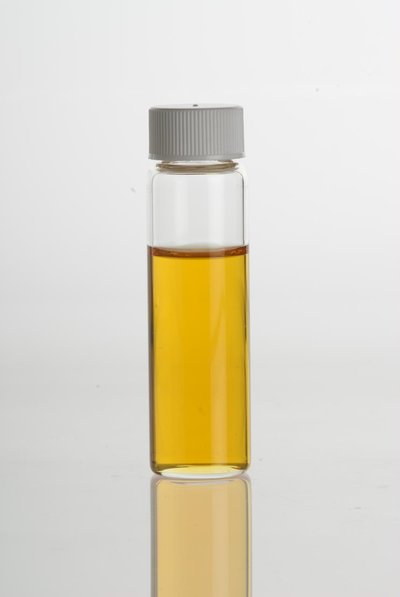
The overuse of nonrenewable resources has motivated intensive research and the development of new types of green bio-based and degradable feedstocks derived from natural sources, such as cellulose derivates, also in nanoforms. The inclusion of such nanoparticles in bio-based polymers with the aim of providing reinforcement is a trend, which, when associated with the incorporation active compounds, creates active packaging suitable for the packaging of highly perishable food, thus contributing to the product’s shelf-life extension. Chitosan (Ch)/sage essential oil (SEO) bionanocomposite reinforced with nanocrystalline cellulose (CNC) was cast as active packaging for the preservation of fresh poultry meat. Meat samples were wrapped in different bioplastics (pristine chitosan, chitosan with commercial CNC, chitosan with CNC obtained from three different lignocellulosic crops, giant reed (G), kenaf (K), and miscanthus (M), chitosan with SEO, and chitosan with SEO and CNC), while unwrapped samples were tested as the control. Periodically, samples were evaluated in terms of their physicochemical properties and microbial growth. Additionally, bionanocomposites were also evaluated in terms of their in situ antimicrobial properties, as well as migration toward food simulants. Meat samples protected with bionanocomposites showed lower levels of microbiological growth (2–3 logs lower than control) and lipid oxidation (20–30% lower than in control), over time. This was attributed to the intrinsic antimicrobial capacity of chitosan and the high oxygen barrier properties of the films resulting from the CNC inclusion. The SEO incorporation did not significantly improve the material’s antimicrobial and antioxidant activity yet interfered directly with the meat’s color as it migrated to its surface. In the in vitro assays, all bionanocomposites demonstrated good antimicrobial activity against B. cereus (reduction of ~8.2 log) and Salmonella Choleraesuis (reduction of ~5–6 log). Through the in vitro migration assay, it was verified that the SEO release rate of phenolic compounds to ethanol 50% (dairy products simulate) was higher than to ethanol 95% (fatty food simulate). Furthermore, these migration tests proved that nanocellulose was capable of delaying SEO migration, thus reducing the negative effect on the meat’s color and the pro-oxidant activity recorded in TBARS. It was concluded that the tested chitosan/nanocellulose bionanocomposites increased the shelf life of fresh poultry meat.