Effect of a Smartphone Application for Promoting Physical Activity among Cancer Survivors (WExercise): A Randomized Controlled Trial (Preprint) Article Swipe
 YOU?
·
· 2025
· Open Access
·
· DOI: https://doi.org/10.2196/preprints.75839
· OA: W4409469314
YOU?
·
· 2025
· Open Access
·
· DOI: https://doi.org/10.2196/preprints.75839
· OA: W4409469314
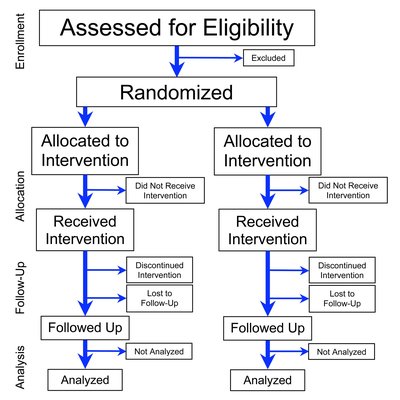
<sec> <title>BACKGROUND</title> Cancer survivors encounter distinct health challenges. As a way of addressing these challenges, physical activity (PA) has emerged as a safe and recommended intervention. The multi-process action control (M–PAC) framework is a layered approach to behavior change and has been widely applied to promote PA. However, no randomized-controlled trial of technology-based interventions has been evaluated based on this framework. In view of this research gap, a smartphone application named WExercise was developed on the basis of M–PAC to promote PA of cancer survivors. </sec> <sec> <title>OBJECTIVE</title> To examine the effect of a smartphone application (WExercise) on physical activity promotion among cancer survivors. </sec> <sec> <title>METHODS</title> This study employs an assessor-blind two-arm randomized controlled trial. The intervention group used WExercise, which was developed based on the multi-process action control (M–PAC) framework. The control group received written physical activity recommendations. Outcomes examined include exercise behavior (primary), exercise capacity, quality of life, and M–PAC constructs. </sec> <sec> <title>RESULTS</title> Ninety-eight physically inactive cancer survivors who have completed curative treatment were recruited. Some 82.7% of participants remained in the study. For the primary outcome, i.e., physical activity, mixed findings were identified: ActiGraph-measured moderate-to-vigorous physical activity (MVPA) showed non-significant change for both groups (group×time interaction p=0.736), while self-reported MVPA showed significant improvement in the intervention group compared to the control group at both post-intervention (mean difference in change=106.95 minutes, p<.001) and 3 months post-intervention (mean difference in change=66.34 minutes, p<0.001) (group×time interaction p=0.003). WExercise also had significant effects on increasing cancer survivors’ exercise capacity, but not their quality of life or M–PAC constructs. </sec> <sec> <title>CONCLUSIONS</title> WExercise demonstrated a significant effect in increasing self-reported physical activity, but it was not corroborated with ActiGraph-measured physical activity. Further research is needed to look into the discrepancy between the self-reported and objective data. </sec> <sec> <title>CLINICALTRIAL</title> ClinicalTrials.gov ID NCT05631587 </sec>