FACTORS AFFECTING COOPERATIVE SOCIETY PERFORMANCE IN SAWENA WOREDA, EAST BALE ZONE Article Swipe
 YOU?
·
· 2027
· Open Access
·
· DOI: https://doi.org/10.20372/nadre:23040
· OA: W7114803109
YOU?
·
· 2027
· Open Access
·
· DOI: https://doi.org/10.20372/nadre:23040
· OA: W7114803109
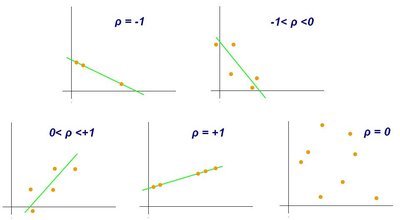
The study focuses on the factors that influence the performance of cooperatives in Sawena Woreda. In order to achieve the objectives of this study, assessments were conducted in the case of sawena woreda. The conceptual frameworks were designed by considering factors that influence the performance of cooperatives in Sawena woreda. The dependent variable of the study cooperative performance, while Membership size, Education level and training, Level of income and Management quality were the independent variables. Explanatory research design with mixed research approach was employed. The researcher was employed simple random sampling techniques in order to get necessary data. In the engagement of this study. Both primary and secondary data were used. To check the reliability and internal consistency of the questionnaire, Cronbach's alphas were tested. Descriptive statistics frequency distribution was applied to assess the level of cooperative performance while the relationship and the influence factors that influence the performance of cooperatives in Sawena woreda was analyzed by using Pearson correlation and multiple regression models of data analysis. The finding from correlation analysis shows the relationship between Membership size, Education level and training, Level of income and Management quality all are found to be strongly and positively correlated with dependent variables of Cooperative performance and the results of regression analysis observed that degree of association between factors of cooperative on society performance has been seen to be 0.966 and the degree of influence that cooperative factors is shown by R square as 0.932 meaning among many factors affecting cooperative performance, cooperative factors has 93.2% influence on cooperative society performance while 6.8% of the deviation is resulted from other variables which are not included in this study. Therefore, a reliable level of income for members leads to improved support for the activities of cooperatives. Cooperative management should be geared towards achieving members’ expectations and goals. Cooperative members should be involved in election of their leaders since the results indicate that successful cooperatives have higher extent of achieving set objectives, high level of member participation and higher management capacity. It was recommended that membership size, education level and training, level of income and quality of management were considered as vital factors to improve the performance of cooperatives.