Glucocorticoid Inhibition of RNA Synthesis Responsible for Cleft Palate in Mice: A Model Article Swipe
Related Concepts
Ernest F. Zimmerman
,
F. D. Andrew
,
Harold Kalter
·
 YOU?
·
· 1970
· Open Access
·
· DOI: https://doi.org/10.1073/pnas.67.2.779
· OA: W2118558136
YOU?
·
· 1970
· Open Access
·
· DOI: https://doi.org/10.1073/pnas.67.2.779
· OA: W2118558136
YOU?
·
· 1970
· Open Access
·
· DOI: https://doi.org/10.1073/pnas.67.2.779
· OA: W2118558136
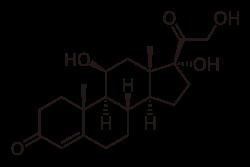
A study was undertaken to elucidate the molecular mechanisms by which glucocorticoids induce cleft palate in mice. It was hypothesized that a compound such as triamcinolone acetonide inhibits mRNA synthesis; that this results later in depressed protein synthesis; and that the latter is ultimately responsible for slowed palate formation and cleft palate. Support for the model derives from the fact that the palatine shelves rise and fuse 3-4 days after the most sensitive time of administration of steroid; RNA synthesis was markedly inhibited 6-24 hr after its administration; and coadministration of cycloheximide partially reversed the tendency toward cleft palate formation.
Related Topics






























Finding more related topics…