Ozone-Activated Nanoporous Gold: A Stable and Storable Material for Catalytic Oxidation Article Swipe
 YOU?
·
· 2015
· Open Access
·
· DOI: https://doi.org/10.1021/acscatal.5b00330
· OA: W2429863584
YOU?
·
· 2015
· Open Access
·
· DOI: https://doi.org/10.1021/acscatal.5b00330
· OA: W2429863584
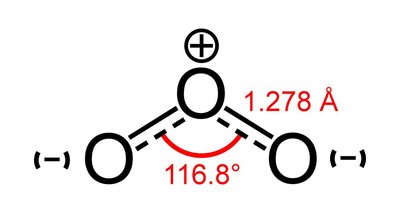
We report a new method for facile and reproducible activation of nanoporous gold (npAu) materials of different forms for the catalytic selective partial oxidation of alcohols under ambient pressure, steady flow conditions. This method, based on the surface cleaning of npAu ingots with ozone to remove carbon documented in ultrahigh vacuum conditions, produces active npAu catalysts from ingots, foils, and shells by flowing an ozone/dioxygen mixture over the catalyst at 150 °C, followed by a temperature ramp from 50 to 150 °C in a flowing stream of 10% methanol and 20% oxygen. With this treatment, all three materials (ingots, foils, and shells) can be reproducibly activated, despite potential carbonaceous poisons resulting from their synthesis, and are highly active for the selective oxidation of primary alcohols over prolonged periods of time. The npAu materials activated in this manner exhibit catalytic behavior substantially different from those activated under different conditions previously reported. Once activated in this manner, they can be stored and easily reactivated by flow of reactant gases at 150 °C for a few hours. They possess improved selectivity for the coupling of higher alcohols, such as 1-butanol, and are not active for carbon monoxide oxidation. As a result, this ozone-treated npAu is a functionally new catalytic material.