Phytoremediation Potentiality of Lead from Contaminated Soils by Fibrous Crop Varieties Article Swipe
 YOU?
·
· 2016
· Open Access
·
· DOI: https://doi.org/10.11648/j.ajasr.20160205.11
· OA: W2544330901
YOU?
·
· 2016
· Open Access
·
· DOI: https://doi.org/10.11648/j.ajasr.20160205.11
· OA: W2544330901
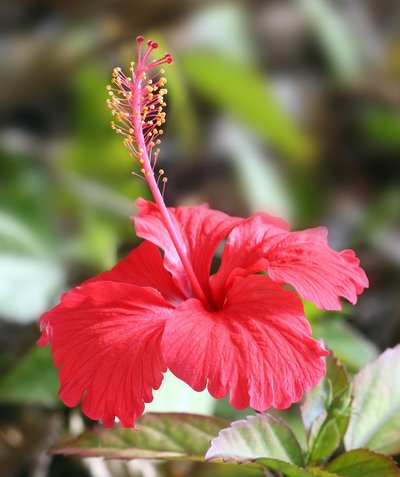
Lead (Pb) is one of the most toxic heavy metal in soils causing toxicity to human and biota. Phytoremediation of Pb contaminated soils by different fibrous crop varieties like jute (<i>Corchorus capsularis </i> L. cv. BJC-7370 & CVE-3), kenaf (<i>Hibiscus cannabinus</i> L. cv. HC-95 & HC-3) and mesta (<i>Hibiscus sabdariffa</i> L. cv. Samu-93) were investigated in this study. All varieties accumulated considerable amounts of Pb. The concentrations and uptake of total Pb by shoot were higher than root and significantly varied from variety to variety. Kenaf and mesta varieties took off more Pb than jute varieties from contaminated soils. Higher was the contents of Pb in soil higher was the accumulation and vice - versa. Highest amount of Pb (422.73 mg pot<sup>-1</sup>) was uptake by the shoot of kenaf HC-95 followed by kenaf HC-3 (378.19 mg pot<sup>-1</sup>) and jute BJC-7370 (3.51 mg pot<sup>-1</sup>) from Pb contaminated soil. In terms Pb accumulation, kenaf varieties HC-3 and HC-95 showed higher phytoremediation potentiality of Pb from contaminated soil. Since these plants are primarily considered for fiber crops in addition to making paper pulp, construction materials, biofuel and firing/burning purposes therefore, there is a little chance for secondary contamination and minimize the drawbacks of phytoremediation technology.