Effect of pellet die diameter on density and durability of pellets made from high moisture woody and herbaceous biomass Article Swipe
 YOU?
·
· 2018
· Open Access
·
· DOI: https://doi.org/10.1016/j.crcon.2018.06.002
· OA: W2805234698
YOU?
·
· 2018
· Open Access
·
· DOI: https://doi.org/10.1016/j.crcon.2018.06.002
· OA: W2805234698
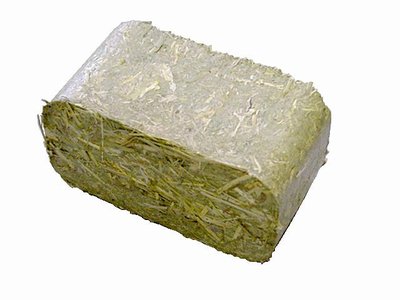
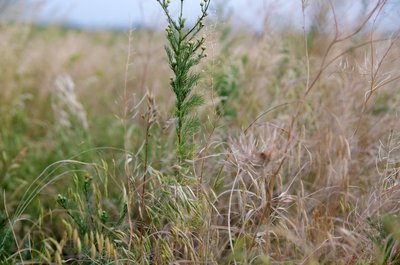
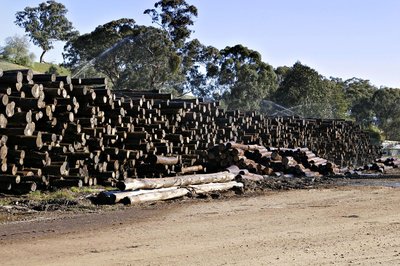
Densified products produced from pellet mill are commercially used as a commodity type product for energy applications and is transported nationally and internationally. The quality and specific energy consumption of the pelletized biomass produced depends upon the type of the feedstock, and process variables like moisture content, particle size, die speed, preheating, and steam conditioning. In the present study, pelleting tests were conducted with both woody (i.e., lodgepole pine and pinyon-juniper) and herbaceous (i.e., corn stover, wheat straw, and energy sorghum) biomass. A high level of feedstock moisture content of 33% (w.b.) was selected as a starting point, while the die speed and preheating temperature process variables were kept at 60 Hz and 30°C. There was about 10–13% moisture loss in both woody and herbaceous biomass feedstock during pelleting. The high moisture pellets produced were further dried in a laboratory oven at 70°C for three hours to reduce the moisture content of the pellets to <10% (w.b). The dried pellets were further evaluated for other quality attributes including unit, bulk, tapped density, and durability. Physical properties of the pellets tested after drying indicated that wheat straw, corn stover, and lodgepole pine had unit and bulk densities of >1050 and >600 kg/m<sup>3</sup>. Here, the highest durability value of >97% was observed for corn stover, lodgepole pine, and pinyon-juniper.