A review of sarcoptic mange in North American wildlife Article Swipe
 YOU?
·
· 2019
· Open Access
·
· DOI: https://doi.org/10.1016/j.ijppaw.2019.06.003
· OA: W2951048817
YOU?
·
· 2019
· Open Access
·
· DOI: https://doi.org/10.1016/j.ijppaw.2019.06.003
· OA: W2951048817
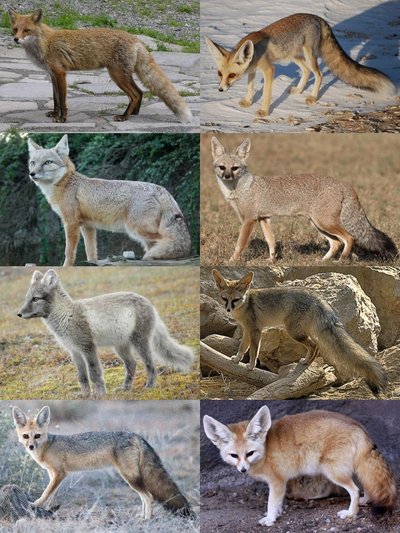
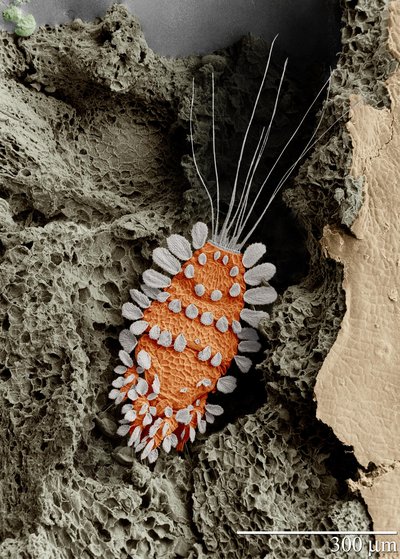
The "itch mite" or "mange mite", <i>Sarcoptes scabiei,</i> causes scabies in humans and sarcoptic mange in domestic and free-ranging animals. This mite has a wide host range due to its ability to adapt to new hosts and has been spread across the globe presumably through human expansion. While disease caused by <i>S. scabiei</i> has been very well-studied in humans and domestic animals, there are still numerous gaps in our understanding of this pathogen in free-ranging wildlife. The literature on sarcoptic mange in North American wildlife is particularly limited, which may be due to the relatively limited number of clinically-affected species and lack of severe population impacts seen in other continents. This review article provides a summary of the current knowledge of mange in wildlife, with a focus on the most common clinically-affected species in North America including red foxes (<i>Vulpes vulpes</i>), gray wolves (<i>Canis lupus</i>), coyotes (<i>Canis latrans</i>), and American black bears (<i>Ursus americanus</i>).