Endothelial cell Piezo1 mediates pressure-induced lung vascular hyperpermeability via disruption of adherens junctions Article Swipe
Related Concepts
Adherens junction
PIEZO1
Pulmonary edema
Hydrostatic pressure
Lung
Endothelial stem cell
Edema
Vascular permeability
Endothelium
Medicine
Tight junction
VE-cadherin
Cell biology
Pathology
Chemistry
Biology
Cell
Cadherin
Internal medicine
Biochemistry
Mechanosensitive channels
Ion channel
Physics
Thermodynamics
Receptor
In vitro
Emily E. Friedrich
,
Zhigang Hong
,
Shiqin Xiong
,
Ming Zhong
,
Anke Di
,
Jalees Rehman
,
Yulia Komarova
,
Asrar B. Malik
·
 YOU?
·
· 2019
· Open Access
·
· DOI: https://doi.org/10.1073/pnas.1902165116
· OA: W2951672374
YOU?
·
· 2019
· Open Access
·
· DOI: https://doi.org/10.1073/pnas.1902165116
· OA: W2951672374
YOU?
·
· 2019
· Open Access
·
· DOI: https://doi.org/10.1073/pnas.1902165116
· OA: W2951672374
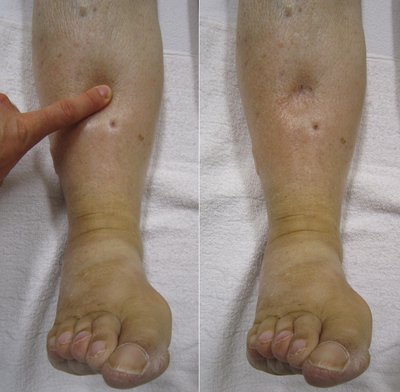
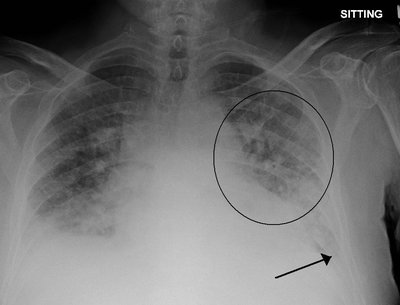
Significance Increased hydrostatic pressure in lung capillaries experienced during high altitude, head trauma, and left heart failure can lead to disruption of lung endothelial barrier and edema formation. We identified Piezo1 as a mechanical sensor responsible for endothelial barrier breakdown (barotrauma) secondary to reduced expression of the endothelial adherens junction proteins VE-cadherin, β-catenin, and p120-catenin. Endothelial-specific deletion or pharmacological inhibition of Piezo1 prevented lung capillary leakage, suggesting a therapeutic approach for preventing edema and associated lung failure.
Related Topics
































Finding more related topics…