Polymicrobial Nature of Tick-Borne Diseases Article Swipe
 YOU?
·
· 2019
· Open Access
·
· DOI: https://doi.org/10.1128/mbio.02055-19
· OA: W2972395768
YOU?
·
· 2019
· Open Access
·
· DOI: https://doi.org/10.1128/mbio.02055-19
· OA: W2972395768
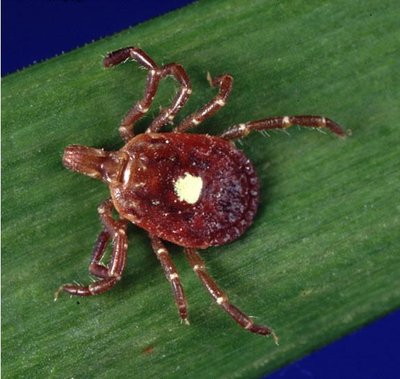
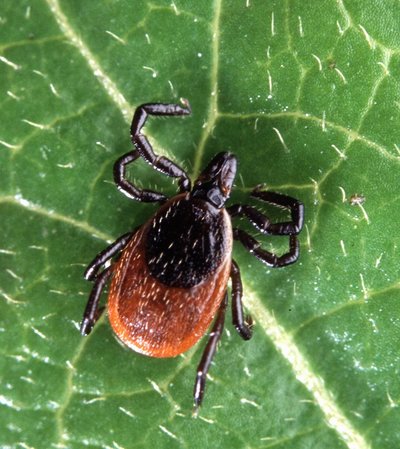
Tick-borne diseases have increased in prevalence in the United States and abroad. The reasons for these increases are multifactorial, but climate change is likely to be a major factor. One of the main features of the increase is the geographic expansion of tick vectors, notably Amblyomma americanum , which has brought new pathogens to new areas. The clinical spectrum of tick-borne diseases can range from asymptomatic to fatal infections, with a disproportionate incidence in children and the elderly. In addition, new pathogens that are cotransmitted by Ixodes scapularis have been discovered and have led to difficult diagnoses and to disease severity. Of these, Borrelia burgdorferi , the agent of Lyme disease, continues to be the most frequently transmitted pathogen. However, Babesia microti , Borrelia miyamotoi (another spirochete), Anaplasma phagocytophilum , and Powassan virus are frequent cotransmitted agents. Polymicrobial infection has important consequences for the diagnosis and management of tick-borne diseases.