Genetic and Epigenetic Understanding of the Seasonal Timing of Flowering Article Swipe
 YOU?
·
· 2019
· Open Access
·
· DOI: https://doi.org/10.1016/j.xplc.2019.100008
· OA: W2991551567
YOU?
·
· 2019
· Open Access
·
· DOI: https://doi.org/10.1016/j.xplc.2019.100008
· OA: W2991551567
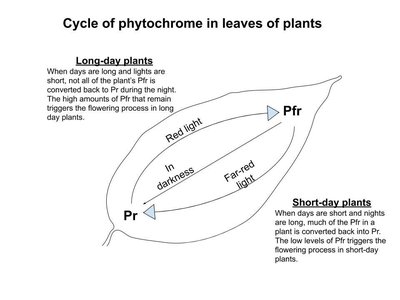
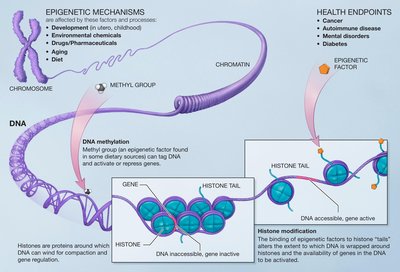
The developmental transition to flowering in many plants is timed by changing seasons, which enables plants to flower at a season that is favorable for seed production. Many plants grown at high latitudes perceive the seasonal cues of changing day length and/or winter cold (prolonged cold exposure), to regulate the expression of flowering-regulatory genes through the photoperiod pathway and/or vernalization pathway, and thus align flowering with a particular season. Recent studies in the model flowering plant <i>Arabidopsis thaliana</i> have revealed that diverse transcription factors engage various chromatin modifiers to regulate several key flowering-regulatory genes including <i>FLOWERING LOCUS C</i> (<i>FLC</i>) and <i>FLOWERING LOCUS T</i> (<i>FT</i>) in response to seasonal signals. Here, we summarize the current understanding of molecular and chromatin-regulatory or epigenetic mechanisms underlying the vernalization response and photoperiodic control of flowering in <i>Arabidopsis</i>. Moreover, the conservation and divergence of regulatory mechanisms for seasonal flowering in crops and other plants are briefly discussed.