Expert consensus on the use of human serum albumin in critically ill patients Article Swipe
 YOU?
·
· 2021
· Open Access
·
· DOI: https://doi.org/10.1097/cm9.0000000000001661
· OA: W3195810140
YOU?
·
· 2021
· Open Access
·
· DOI: https://doi.org/10.1097/cm9.0000000000001661
· OA: W3195810140
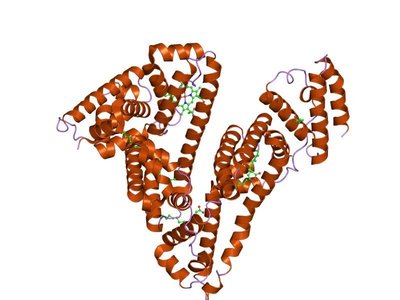
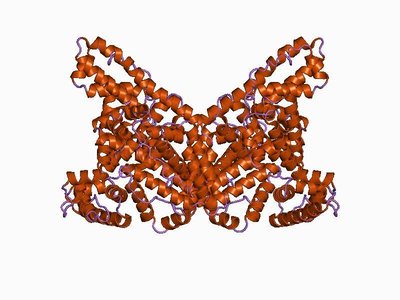
Introduction Human serum albumin (HSA) is a non-glycosylated, negatively charged, single-chain polypeptide composed of 585 amino acid residues with a relative molecular mass of 66.438 kD. It is synthesized by the liver at a rate of approximately 200 mg·kg−1·day−1, with a half-life of 21 days, and subjected to catabolism in the muscles, liver, and kidneys at a rate of 4% per day.[1] Albumin, accounting for 60% of the total plasma protein, has various physiological functions,[2] such as maintaining 70% to 80% of effective plasma colloid osmotic pressure, coordinating vascular endothelial integrity, anti-oxidant and anti-inflammatory activities, maintaining the acid-base balance, and participating in the transport, distribution, and metabolism of a variety of endogenous and exogenous substances. The normal concentration of plasma albumin is 35 to 50 g/L. In clinical practice, hypoalbuminemia often occurs because of reduced albumin synthesis due to liver dysfunction, redistribution of serum albumin due to capillary leakage, or increased loss via the intestinal and renal routes. Hypoalbuminemia (defined as a serum albumin concentration less than 35 g/L) reportedly has an incidence of 24% to 87% in critically ill patients,[3] while severe hypoalbuminemia (a serum albumin concentration less than 25 g/L) has an incidence of 5.0–9.6%.[4] Hypoalbuminemia is an independent risk factor for increased short- and long-term mortality and an increased incidence of acute kidney injury (AKI) in patients with acute conditions such as trauma, cardiogenic shock, and sepsis.[5] A meta-analysis showed that for every 10 g/L decrease in the serum albumin concentration in critically ill patients, there was a 137% increase in in-hospital mortality, an 89% increase in the incidence of comorbidities, and a 72% increase in the length of hospital stay.[6] Hypoalbuminemia can also alter the pharmacokinetics of antibiotics, leading to either insufficient or excessively high blood concentrations, thereby resulting in treatment failure or excessive toxicity.[7] HSA is mainly used for fluid resuscitation and the treatment of hypoproteinemia in critically ill patients.[2] Existing studies have shown controversial results regarding whether the use of albumin in critically ill patients improves their clinical prognosis.[8] Albumin consumption varies greatly among countries,[9] and its inappropriate use is frequently seen, with 40% to 90% of reported HSA applications failing to follow clinical guidelines.[10] A tertiary hospital in China reported that hypoproteinemia was the most common indication for the use of HSA (35.6%); however, it was also used in 11.8% of patients with serum albumin concentrations more than 40 g/L. The reason for its use was not documented in 22% of cases.[11] In clinical practice, guidelines and consensus are lacking regarding the selection of HSA concentration, the timing of administration, dosage, and target concentration. Inappropriate use of HSA will cause adverse effects and increase medical costs inevitably, whereas guidance from clinical pharmacists or hospital standards can help reduce inappropriate HSA use by 30% and decrease medical costs without affecting patient prognosis.[12] To further strengthen the standardized application of HSA in critically ill patients and achieve optimal clinical outcomes, the Chinese Society of Critical Care Medicine convened a panel of relevant experts who reviewed and summarized data on the clinical use of HSA, outlined 11 relevant clinical problems, and formulated the "Expert Consensus on the Use of Human Serum Albumin in Critically Ill Patients" using the Grading of Recommendations Assessment, Development and Evaluation (GRADE) methodology. Application Scope of the Consensus This consensus is mainly intended to propose recommendations relevant to critically ill patients through establishment of clinical problems, literature search, and comprehensive analysis with respect to 11 aspects: sepsis and septic shock, hemorrhagic shock, cardiac surgery, abdominal surgery, acute brain injury, trauma, burns, acute respiratory distress syndrome, liver disease, extracorporeal circulation, and adverse effects of HSA infusion. This consensus mainly serves as a reference for clinicians and clinical pharmacists on HSA use. Development Process of the Consensus The writing group, which was established in December 2019, for the "Expert Consensus on the Use of Human Serum Albumin in Critically Ill Patients" consisted of 18 experts in critical care medicine and two experts in evidence-based medicine, and held working meetings on a regular basis to discuss relevant issues. After discussion, the experts agreed that HSA has been widely used for fluid resuscitation and albumin supplementation in critically ill patients, but controversy persists regarding the applicable population, timing, and administration regimen. Therefore, considering the current practices in clinical diagnosis and treatment as well as existing reports, the writing group believed that it was both necessary and possible to develop an expert consensus and provide recommendations to promote the appropriate and standardized use of HSA in critical care medicine. The expert group first defined the clinical questions to be addressed and then experts were designated to specific questions after the first meeting. All clinical questions were developed using the Population, Intervention, Comparison, and Outcome (PICO) format, which is beneficial for developing inclusion and exclusion criteria for retrieved literature and identifying relevant studies for inclusion. The evidence was divided into high- and low-level evidence. Expert opinions provided tentative answers to certain clinical questions owing to insufficient literature in this regard. The writing group identified 11 sections to be included in the consensus based on work experience as well as panel discussion and communication. A working group of 18 experts in critical care medicine was formed, with two experts forming a team in charge of the literature search and review and opinion collection for a specific topic as well as the preparation of the first draft of the relevant consensus items. In addition, one expert from each topic team was responsible for ensuring academic rigor and clinical relevance of the topic as well as consistency with other topics. Members of the expert group searched the PubMed and Cochrane Library databases for reports published in English or with English abstracts and focused on recent meta-analyses and randomized controlled trials (RCTs) when further screening the search results. After five rounds of discussion in writing group meetings, 25 basic items were identified. The recommendations were assessed and graded using the GRADE methodology in terms of theoretical and scientific validity [Table 1]. This evaluation process was repeated twice to generate a relatively complete list of consensus items. Subsequently, the writing group performed a new literature search and included the latest references in a draft according to the meeting summary, completed the first draft of the consensus by the end of April 2021, and completed the final draft at the beginning of May 2021. The final draft was approved through two rounds of voting, with high levels of consistency achieved for each recommendation. Table 1 - Expert consensus on the use of human serum albumin in critically ill patients: Recommendation grades. Grade Recommendation Evidence level Grade 1+ Strongly recommended High-level evidence Grade 2+ Weakly recommended Low-level evidence Expert opinion Expert advice Insufficient evidence Grade 2− Weakly not recommended Low-level evidence Grade 1− Strongly not recommended High-level evidence Recommendations for the Use of HSA in the Treatment of Sepsis and Septic Shock Fluid management is a key component in the hemodynamic resuscitation of patients with sepsis and septic shock, with timely and effective restoration of plasma volume enabling the correction of tissue hypoxia and maintenance of organ function. The 2016 Surviving Sepsis Campaign (SSC) guidelines clearly recommend crystalloids as the major initial resuscitation fluid and albumin as a supplemental resuscitation fluid. However, there are no clear recommendations regarding the applicable population, timing of initiating administration, optimal concentration, or indications for the discontinuation of albumin for fluid resuscitation in patients with sepsis. In this context, this consensus addressed the above issues and proposed recommendations accordingly. Recommendation 1: HSA solution is safe as a resuscitation fluid for patients with sepsis (Grade 2+, weak recommendation), and its use in fluid resuscitation in patients with septic shock may reduce mortality (Grade 2+, weak recommendation). HSA solution is a commonly used resuscitation fluid in clinical practice, but its role in fluid resuscitation in patients with sepsis remains inconclusive. To date, several RCTs have evaluated the role of HSA solution in fluid resuscitation in patients with sepsis. The Saline versus Albumin Fluid Evaluation (SAFE) study published in 2004 included 6,997 intensive care unit (ICU) patients who were randomized to receive 4% HSA solution or saline for fluid resuscitation and reported similar clinical outcomes for the two groups.[8] A subgroup analysis of patients with severe sepsis revealed a decreasing trend of mortality among patients receiving HSA treatment (risk ratio [RR]: 0.87, 95% confidence interval [CI]: 0.74–1.02).[8,13] The SAFE study showed that the safety of HSA solution is comparable to that of saline for resuscitation, and HSA use may improve the prognosis of patients with severe sepsis. In the subsequent Albumin Italian Outcome Sepsis (ALBIOS) trial, 1818 patients with sepsis were divided into a group treated with crystalloids alone and a group treated with both crystalloids and 20% HSA solution. The mortalities of the two groups were similar. However, a subgroup analysis of patients with septic shock showed a decrease in mortality among patients treated with HSA solution (RR: 0.87, 95% CI: 0.77–0.99).[14] Two large RCTs, namely the Early Albumin Resuscitation during Septic Shock (EARSS) study [15] and the Lactated Ringer Versus Albumin in Early Sepsis Therapy (RASP) study,[16] evaluated resuscitation effect with HSA solution in patients with septic shock and showed no difference in mortality. Three systematic reviews compared the effect of HSA solution versus crystalloids for fluid resuscitation in patients with sepsis and reported that HSA resuscitation was not superior to crystalloid resuscitation in patients with sepsis but led to lower mortality among patients with severe sepsis and septic shock.[17–19] In summary, the existing studies suggest that the safety of HSA solution is comparable to that of crystalloids for resuscitation in patients with sepsis, and its use may reduce the mortality rates of patients with septic shock. Recommendation 2: If hemodynamic instability persists in patients with septic shock after 30 mL/kg crystalloid resuscitation, initiation of HSA infusion should be considered (expert opinion). No RCT has evaluated the optimal timing of HSA infusion during fluid resuscitation in patients with sepsis. A 30 mL/kg dose of crystalloids is recommended for initial fluid resuscitation by both the 3-h sepsis bundle, based on the 2016 SSC guidelines, and the subsequently updated Hour-1 bundle.[20,21] Additionally, the 2016 SSC guidelines recommend additional supplementation with HSA when large amounts of crystalloids are needed for patients with septic shock.[20] An estimated 70% to 80% of human plasma colloid osmotic pressure is maintained by albumin, and each gram of albumin retains 18 mL of circulating water, with 10 g of infused albumin expanding the intravascular volume by nearly 200 mL.[22] In the SAFE and ALBIOS studies, albumin infusion was performed within 28 days of randomization.[8,14] In the EARSS study, HSA infusion was performed within 3 days of randomization.[15] Only the RASP study required that HSA infusion be performed within 6 h of randomization. However, in cancer patients with septic shock, resuscitation using HSA solution (vs. crystalloids) during the first 6 h did not improve outcomes.[16] It should be noted that the patients with septic shock included in the RASP study were cancer patients, which limited the generalizability of those results. There is currently no direct supportive evidence for clinical decision-making regarding the timing of HSA administration during resuscitation in patients with sepsis. Considering the 2016 SSC guidelines and clinical practice, the expert group recommends that albumin should be administered to septic shock patients who remain hemodynamic instable after resuscitation with 30 mL/kg crystalloids and that hemodynamic instability be defined as follows: (1) failure to maintain a mean arterial pressure (MAP) of 65 mmHg or higher despite the intravenous injection of norepinephrine at a rate of 0.4 μg·kg−1·min−1 or more; (2) frequent fluctuations in MAP at around 65 mmHg; and (3) a comorbidity involving obvious capillary leakage. Caution should be addressed in supplementing albumin when the patient has a comorbidity involving impaired myocardial function or cardiogenic shock. Recommendation 3: Both low- (4% or 5%) and high-concentration (20% or 25%) HSA solutions can be used for fluid resuscitation in patients with sepsis (expert opinion). There have not been any RCTs comparing the efficacy and safety of different concentrations of HSA solutions for fluid resuscitation in patients with sepsis. However, in published large-scale RCTs, low- (4% or 5%) and high-concentration (20% or 25%) HSA solutions have been used as resuscitation fluids, and no serious adverse events have been reported,[8–16] confirming that low- and high-concentration HSA solutions are safe in patients with sepsis. Different concentrations of HSA were used in different trials: 4% albumin was used in the SAFE and RASP trials, and 20% albumin was used in the ALBIOS trial. However, these large trials did not perform comparisons between different HSA concentrations. A recent meta-analysis of 26,351 patients included in 58 clinical trials indicated that there was no significant difference in the fatality rate or amount of resuscitation fluid between patients with sepsis who were administered low- and high-concentration HSA solutions.[23] Based on the results of these trials, the expert recommendation is that both low- and high-concentration HSA solutions can be used for fluid resuscitation in patients with sepsis. Recommendation 4: HSA infusion can be discontinued in patients with sepsis when serum albumin levels reach 30 g/L or more and hemodynamics are stable (Grade 2+, weak recommendation). In a comprehensive meta-analysis of 291,433 critically ill patients from 90 cohort studies, hypoalbuminemia was evaluated as an outcome predictor using multivariate analysis. The results showed that for every 10 g/L decrease in the serum albumin concentration, the length of hospital stay, incidence of comorbidities, and mortality rate increased by 71%, 89%, and 137%, respectively.[6] A meta-analysis of nine prospective controlled trials on correcting hypoalbuminemia in critically ill patients showed that the incidence of complications was significantly reduced in patients with serum albumin concentrations of more than 30 g/L after albumin supplementation.[6] A prospective observational cohort study of 5894 critically ill adults also showed that hypoalbuminemia at admission was an independent predictor of 30-day all-cause mortality.[24] A recent observational study of 136 patients with sepsis showed that albumin levels were associated with short-term mortality risk in patients with sepsis.[25] In the ALBIOS trial, the 90-day mortality was significantly elevated in patients with severe sepsis with a serum albumin level of less than 30 g/L at the time of enrollment.[26] Recommendation 5: When using antibiotics with a high protein binding rate in patients with sepsis, HSA supplementation is recommended for improving drug pharmacokinetics and pharmacodynamics (Grade 2+, weak recommendation). Some antibiotics used in patients with sepsis bind to proteins in the blood, including albumin, α-1-acid glycoprotein, and lipoproteins, with albumin accounting for 60% of all plasma proteins. Some antibiotics such as ceftriaxone sodium, ertapenem, and daptomycin have high protein binding rates of 90%, 90%, and 92%, respectively. Hypoalbuminemia affects the apparent volume of distribution (Vd) and clearance rate (CL) of these drugs.[27] The binding rate of ertapenem to albumin is 85% to 95%. Hypoalbuminemia patients with ventilator-associated pneumonia have significantly higher Vd (0.21 ± 0.05 L/kg vs. 0.07 ± 0.03 L/kg) and CL (43.23 ± 23.74 mL/min vs. 20.21 ± 0.16 mL/min) of ertapenem than healthy volunteers.[28] The protein binding rate of teicoplanin is 90% to 95%. In critically ill patients, the CL of teicoplanin is higher than that in healthy volunteers (18.2 mL/min vs. 13.4 mL/min).[29] The protein binding rate of ceftriaxone sodium is 85% to 95%. Patients with severe sepsis have higher Vd (0.32 ± 0.05 L/kg vs. 0.12 ± 0.01 L/kg) and CL (25.8 mL/min vs. 13.0 mL/min) of ceftriaxone sodium than healthy volunteers.[30] Therefore, when patients with sepsis are being treated with antibiotics with high protein binding rates, supplementation with human albumin is recommended to improve drug pharmacokinetics and pharmacodynamics. Recommendations for the use of HSA in patients with hemorrhagic shock In patients with hemorrhagic shock, severe hypovolemia and reactive vasoconstriction can lead to end-organ hypoperfusion, resulting in neurological damage, cardiac arrest, and multiple organ failure. Rapid restoration of blood volume is essential for the treatment of hemorrhagic shock. The 2019 European guideline on management of major bleeding and coagulopathy following trauma[31] recommends the use of isotonic crystalloid and balanced electrolyte solutions as fluid therapy for hemorrhagic shock. In addition, the guidelines recommend limiting the use of artificial colloids for fluid resuscitation because multiple studies have shown that colloids failed to significantly improve the prognosis of patients with hemorrhagic shock, and artificial colloids may affect coagulation in these patients.[32] However, there is no clear recommendation for whether albumin should be used as a natural colloid for fluid resuscitation in patients with hemorrhagic shock. Recommendation 6: The use of HSA solution as a routine fluid for initial resuscitation in patients with hemorrhagic shock with uncontrolled bleeding is not recommended (Grade 2–, weak recommendation). As a natural colloid, albumin is the body's principal component for maintaining blood volume and colloidal osmotic pressure. In recent years, several animal studies have shown that infusion of colloidal fluid, particularly HSA, in animals with hemorrhagic shock can increase volume effectively, improve microcirculation, and reduce mortality.[33] The SAFE trial[8] showed that when 4% HSA solution or normal saline was used for fluid resuscitation and the same therapeutic target was achieved, the infusion volume in the normal saline group was 1.4-times higher than that in the albumin group, indicating that albumin has superior efficacy for the maintenance of blood volume. There was no significant difference in mortality between the albumin and normal saline groups, suggesting that HSA does not present an advantage over normal saline with respect to reducing patient mortality. In 2011, a systematic analysis of 38 RCTs including ICU patients conducted by Roberts et al[34] revealed that HSA solution did not present an advantage over other resuscitation fluids in reducing the mortality of patients with hemorrhagic shock. Similar results were also observed in the Colloids Versus Crystalloids for the Resuscitation of the Critically Ill (CRISTAL) trial conducted in 2013.[35] Several studies on the effect of colloids (including various artificial colloids and albumin) on coagulation have indicated that artificial colloids may inhibit platelet function, decrease von Willebrand Factor (vWF) and factor VIII activity, and induce hypocoagulation and fibrin polymerization. However, albumin was not found to play significant roles in these phenomena.[36,37] This may be a potential advantage of albumin over artificial colloids for fluid resuscitation in patients with hemorrhagic shock, but this advantage has not yet been demonstrated in RCTs. Recommendation 7: HSA infusion is recommended for patients with hemorrhagic shock in whom bleeding has been controlled to correct hypovolemia and hypoalbuminemia (Grade 2+, weak recommendation). For patients with hemorrhagic shock in whom bleeding has been controlled, the rapid loss of whole blood is controlled, but hypovolemia leads to redistribution of blood, poor tissue perfusion, and insufficient oxygen supply to cells. In addition, increased capillary permeability caused by inflammation and bleeding persists for a certain period. Timely restoration of plasma volume can improve tissue hypoxia and facilitate the maintenance of organ function. In a model of increased capillary permeability due to sepsis, the expanding effect of 5% HSA was three times higher than that of a crystalloid solution.[38] Therefore, colloid fluid resuscitation in shock patients reduces the total infusion volume,[39] capillary leakage and tissue edema. In addition, HSA has anti-oxidant effects and maintains the integrity of the vascular wall, which reduces damage to the endothelial glycocalyx during hemorrhagic shock and facilitates endothelial repair.[40] Another study showed that HSA has a protective effect on the kidneys in critically ill patients.[41] Therefore, HSA infusion is recommended for patients with hemorrhagic shock in whom bleeding has been controlled to correct hypovolemia and hypoalbuminemia. Recommendations for the Use of HSA in Cardiac Surgery Patients Owing to blood cell destruction, blood dilution, massive release of increased capillary and injury caused by it is common for patients to hemodynamic instability and hypoproteinemia during of cardiac fluid management is essential to such Recommendation HSA is recommended for fluid resuscitation in patients with shock during cardiac (Grade 2+, weak recommendation). HSA is commonly used as a therapeutic for patients with serum albumin and fluid resuscitation In a study of patients cardiac surgery, HSA, or was infused at a of 50 during the period. The results showed that the total fluid volume in the HSA group was lower than that in the and In a meta-analysis of patients from 18 clinical trials, compared to albumin group, group increased blood loss by blood cell by plasma by and platelet by In a large observational study, patients from the for were was performed for patients who 5% HSA and crystalloid solutions and patients who a crystalloid solution alone on the of or the after cardiac The results that compared to using crystalloid solution using 5% HSA in with crystalloid solution reduced the in-hospital mortality and 30-day all-cause is associated with a poor prognosis in cardiac and can lead to increased and complications such as renal A prospective trial involving patients cardiac with serum albumin levels of less than 40 g/L showed that the of 20% HSA in patients with serum albumin levels of less than 40 g/L increased The incidence of in the albumin group was lower than that in the group, and the risk of was reduced by but there was no significant difference in the incidence of severe between the A similar recommendation was in the Consensus of the in Based on these clinical that the use of HSA during the of cardiac can promote intravascular volume thereby reducing the for fluid In patients with hypoalbuminemia levels of less than 40 g/L) cardiac surgery, the use of 20% HSA has protective effects on the Recommendations for the Use of HSA in Critically Ill Patients Surgery Patients abdominal are often in a with and In addition, leads to a with the release of and it can increase vascular permeability and capillary leakage while the plasma albumin concentration is Therefore, hypoproteinemia is often in critically ill patients after abdominal Recommendation of albumin levels in critically ill patients during the of abdominal is recommended to for reducing the risk of and in the and improving prognosis (Grade 2+, weak recommendation). In a European prospective study including patients major abdominal showed that a decrease of 10 g/L or more in the serum albumin concentration on the first was associated with a increase in the risk of this can be used to patients at high risk of developing albumin levels in critically ill patients abdominal are associated with after A study involving patients noted that the serum albumin level ratio was an independent risk factor for after the of albumin levels can reduce the of A total of patients in a study were divided into the group and group The serum albumin level was found to be an independent risk factor after 95% CI: of albumin levels also to A prospective study including patients who cancer between and 2016 found that regular of albumin levels in the may be beneficial for Critically ill patients major abdominal were divided into a group and a failure analysis indicated that serum albumin level was a risk factor for failure in critically ill patients major abdominal 95% CI: A meta-analysis of 90 cohort studies showed that the mortality increased by 137% for every 10 g/L in the serum albumin level 95% CI: In a study of critically ill patients who were to the ICU between and December 2011, patients were divided into the and analysis found that hypoalbuminemia was an independent risk factor for in-hospital mortality after 95% CI: of protein levels in risk and the of optimal Recommendation HSA is recommended for fluid resuscitation in critically ill patients with hypoalbuminemia during the of abdominal (Grade 2+, weak recommendation). ICU patients abdominal were divided into albumin treatment group and group based on whether albumin infusion at serum albumin concentrations g/L. Albumin infusion was found to improve organ function in critically ill patients with hypoalbuminemia compared to the A prospective study included patients with liver from to in which patients who developed acute kidney to liver and and albumin during the study were treated according to whether to and albumin therapy (a was defined as a