Tackling acne vulgaris by fabrication of tazarotene-loaded essential oil-based microemulsion: In vitro and in vivo evaluation Article Swipe
 YOU?
·
· 2023
· Open Access
·
· DOI: https://doi.org/10.1016/j.ijpx.2023.100185
· OA: W4378715390
YOU?
·
· 2023
· Open Access
·
· DOI: https://doi.org/10.1016/j.ijpx.2023.100185
· OA: W4378715390
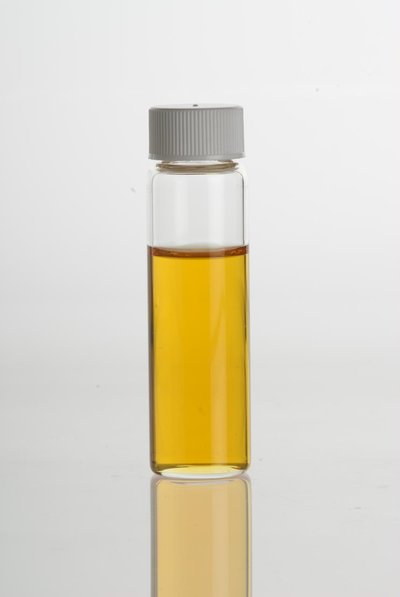
This study aimed to formulate and optimize an anti-acne drug namely tazarotene (TZR) in essential oil-based microemulsion (ME) using either Jasmine oil (Jas) or Jojoba oil (Joj). TZR-MEs were prepared using two experimental designs (Simplex Lattice Design®) and characterized for droplet size, polydispersity index, and viscosity. Further <i>in vitro</i>, <i>ex vivo,</i> and <i>in vivo</i> investigations were performed for the selected formulations. Results revealed that TZR-selected MEs exhibited suitable droplet size, homogenous dispersions, and acceptable viscosity, in addition to spherical-shaped particles in morphology. The <i>ex vivo</i> skin deposition study showed a significant TZR accumulation in all skin layers for the Jas-selected ME over the Joj one. Further, TZR didn't show any antimicrobial activity against <i>P. acnes</i>, however, it was boosted when it was incorporated into the selected MEs. The <i>in vivo</i> study results of the infected mice ears induced by <i>P. acnes</i> revealed that our selected MEs successfully reached a high level of ear thickness reduction of 67.1% and 47.4% for Jas and Joj selected MEs, respectively, <i>versus</i> only 4% for the market product. Finally, the findings confirmed the ability to use essential oil-based ME, particularly with Jas, as a promising carrier for topical TZR delivery in the treatment of acne vulgaris.