The next generation of low tritium hydrogen isotope separation technologies for future fusion power plants Article Swipe
 YOU?
·
· 2023
· Open Access
·
· DOI: https://doi.org/10.1016/j.ijhydene.2023.10.282
· OA: W4388914443
YOU?
·
· 2023
· Open Access
·
· DOI: https://doi.org/10.1016/j.ijhydene.2023.10.282
· OA: W4388914443
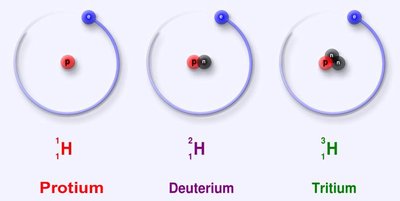
The separation of hydrogen isotopes is a vital step in preparing tritium and deuterium fuels for future fusion power plants. This represents a fundamental challenge to fusion energy since the separation process must be able to handle high throughputs of hydrogen isotopes whilst maintaining a low tritium inventory, because tritium is highly radioactive. There are many possible isotope separation techniques, however none that are currently deployable can meet the demands required. To address this gap, recent developments have improved existing processes and created new high-performance processes including Thermal Cycling Absorption Process (TCAP), electrochemical graphene sieving and absorbative separation based on quantum sieving. In this article, ten of the most promising future hydrogen isotope separation technologies are reviewed, to understand the development route to a process that addresses this key challenge of fusion energy.