Impact of fresh and residual biochar on physiological attributes and grain quality of wheat (Triticum aestivum L.) Article Swipe
 YOU?
·
· 2025
· Open Access
·
· DOI: https://doi.org/10.7324/jabb.2025.233940
· OA: W4411242956
YOU?
·
· 2025
· Open Access
·
· DOI: https://doi.org/10.7324/jabb.2025.233940
· OA: W4411242956
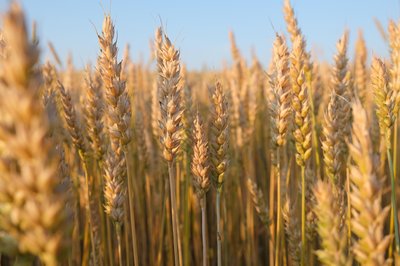
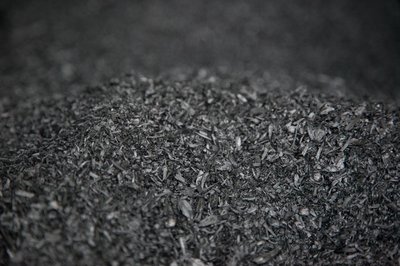
This study aimed to investigate the effect of fresh and residual biochar on the physiological attributes and quality of wheat grain. The research trial was conducted in the field applied with fresh biochar (S1), one-season-old residual biochar (S2), and two-season-old residual biochar (S3). The treatments include T1 (absolute control), T2 (100% RDF), T3 (100% NP), T4 (NP + rice husk biochar 5 t/ha), T5 (NP + rice husk biochar 10 t/ha), T6 (NP + rice husk biochar 15 t/ha), T7 (NP + rice straw biochar 5 t/ha), T8 (NP + rice straw biochar 10 t/ha), and T9 (NP + rice straw biochar 15 t/ha). A significant impact of fresh biochar application (S1) over one-season-old biochar (S2) and two-season-old biochar (S3) was recorded. In S1, the application of biochar at a rate of 5 t/ha (T4 and T7) showed enhanced chlorophyll index (+17.3%), relative water content (RWC) (+9.6%), membrane injury index (MII) (+8.1%) along with the carbohydrate (+12.7%), and protein content (+49.9%) in wheat grains. In one-season-old biochar (S2), as compared to the control, a notable improvement in the chlorophyll index (+13.8%), MII (+7.2%), membrane stability index (+27.1%), carbohydrate (+5.9%), and protein content (+32.3%) of wheat grains in treatment no. T5 & T8 (i.e. 10 t/ha). While in two-season-old biochar (S3), the treatment no. T6 & T9 (i.e., 15 tons/ha) had a significant impact on chlorophyll index (+7.2%), RWC (+4%), MII (+3.6%), membrane stability index (+12.5%), as well as the carbohydrate (+2.7%) and protein content (+10.2%) of wheat grains.