In Memoriam Article Swipe
 YOU?
·
· 2020
· Open Access
·
· DOI: https://doi.org/10.1093/jnen/nlaa032
· OA: W3032025957
YOU?
·
· 2020
· Open Access
·
· DOI: https://doi.org/10.1093/jnen/nlaa032
· OA: W3032025957
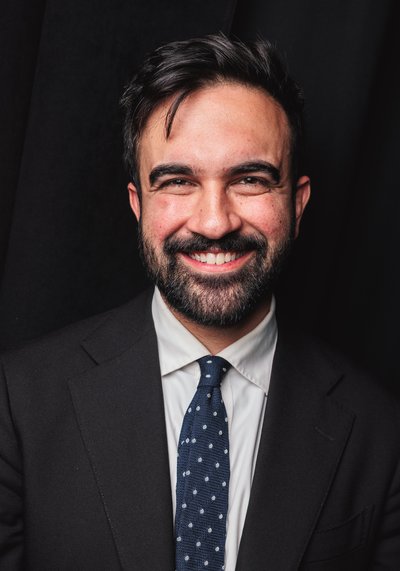
from amyotrophic lateral sclerosis.As summarized in his previously published autobiography in the Journal (1), his career was driven by a fascination with neuropathology's interconnection with allied disciplines in neuroscience and the humanities that abetted his peripatetic curiosity into the multifaceted parameters of studying the nervous system.Samuel was born in Johannesburg, South Africa, to emigr e parents who instilled a strong appreciation of his Jewish heritage, family, and education.Scholastic success in high school merited an American Field Service International Scholarship in California in 1961.In contrast to the strictures of the education system and apartheid society of South Africa, this experience afforded a revelatory opening into new educational and cultural perspectives that implanted a quest to seek a future beyond South Africa.Fulfillment came, following graduation from the University of the Witwatersrand Medical School in Johannesburg and compulsory military service, with a residency position in the Department of Pathology at Stanford University in 1970.The years at Stanford in Anatomical Pathology and Neuropathology were fortuitous not only in diagnostic training and exposure to research but also in the fostering of life-long friendships with fellow neuropathology residents, several of whom achieved distinction in their careers.That Dr. Lucien Rubinstein had an indelible influence was reflected in Samuel's reminiscences, as, for example, in their paper, along with Dr. Dorothy Russell, on papillary meningiomas (2).Equally impactful