Respiratory Problems Article Swipe
 YOU?
·
· 2024
· Open Access
·
· DOI: https://doi.org/10.1002/9781394204007.ch23
· OA: W4401631983
YOU?
·
· 2024
· Open Access
·
· DOI: https://doi.org/10.1002/9781394204007.ch23
· OA: W4401631983
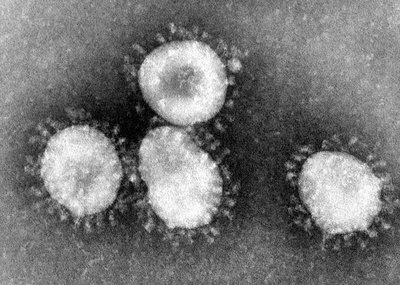
Disease of the respiratory tract is a major problem in cattle that causes serious economic loss for farmers. The respiratory system is effectively protected from inhaled bacteria and other foreign particles by a mucociliary blanket and cellular and humoral immunity. During the periparturient phase, cows' immune systems are weakened or depressed, which renders the animals more susceptible to infectious diseases. Because respiratory disorders usually involve multiple pathogens, they are referred to as the "bovine respiratory disease (BRD) complex." Mannheimia haemolytica and Mycoplasma bovis are two bacterial species with important roles to play in the BRD complex. Among viral pathogens, bovine herpes virus, bovine coronavirus, bovine viral diarrhea virus, and bovine respiratory syncytial virus cause respiratory illness in cattle. Nasal discharge, coughing, tachypnea, depression, inappetence, and decreased milk production are some clinical symptoms of respiratory disease. Due to the complexity of respiratory disease, the diagnoses in most cases remain unclear, and the animal is treated symptomatically. To improve animal resistance to respiratory illnesses and reduce pathogen exposure, preventive measures should always be taken. It is necessary to focus on management practices for disease prevention through effective transition period management, together with effective immunization and biosecurity measures. This chapter describes the dynamic interactions between the many respiratory pathogens of cattle, their treatment, and preventive measures. The complex relationships between many respiratory pathogens, immunopathogenesis, and treatment or prevention approaches for the several respiratory illnesses that affect cattle are covered in this chapter.