Chemometric Optimization of BF 3 ·OEt 2 ‐Mediated Cyclization of Cannabidiol to Rare Δ⁴‐ and Iso ‐THC Isomers Article Swipe
 YOU?
·
· 2025
· Open Access
·
· DOI: https://doi.org/10.1002/chem.202502387
· OA: W4415688873
YOU?
·
· 2025
· Open Access
·
· DOI: https://doi.org/10.1002/chem.202502387
· OA: W4415688873
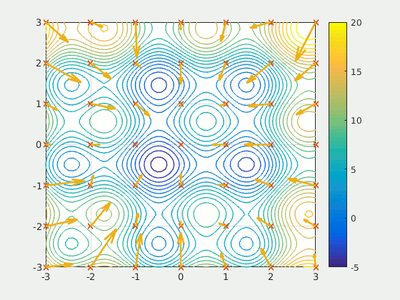
The acid‐catalyzed conversion of cannabidiol (CBD) to tetrahydrocannabinol and iso‐tetrahydrocannabinol derivatives is a well‐established synthetic strategy. However, since the reaction outcome is strongly dependent on the conditions, a careful investigation is always required to achieve the optimal chemoselectivity. Chemometrics recently emerged as an effective approach for improving synthetic methods, especially when multiple parameters are involved. The present paper aims to apply chemometrics tools to the optimization of the procedures for the preparation of Δ⁹‐THC, Δ⁸‐THC, Δ⁸‐ iso ‐THC, Δ⁴‐ iso ‐THC, and Δ⁴ ( ⁸ ) ‐ iso ‐THC. All the reactions have been performed at room temperature by tuning the initial concentration of CBD, the equivalents of the model Lewis acid considered (BF 3 ·OEt 2 ), the reaction time, and the nature of the media to achieve the desired products. The kinetics of the process, followed over the course of 1 to 48 hours, were analyzed by means of Principal Component Analysis (PCA) to initially simplify the multidimensional dataset and help identify the best media for Δ⁹‐THC and Δ⁸‐THC. In order to optimize the conditions needed for Δ⁴‐ iso ‐THC, Δ⁴(⁸)‐ iso ‐THC, and Δ⁸‐ iso ‐THC, multiple Design of Experiment (DoE) were employed, leading to the successful isolation of the target compounds. During the investigation, cannabinoid derivatives incorporating a portion of the reaction medium were also identified.