Mitral insufficiency: a comparative study on techniques for mitral valvuloplasty Article Swipe
 YOU?
·
· 2025
· Open Access
·
· DOI: https://doi.org/10.55905/revconv.18n.3-174
· OA: W4408508796
YOU?
·
· 2025
· Open Access
·
· DOI: https://doi.org/10.55905/revconv.18n.3-174
· OA: W4408508796
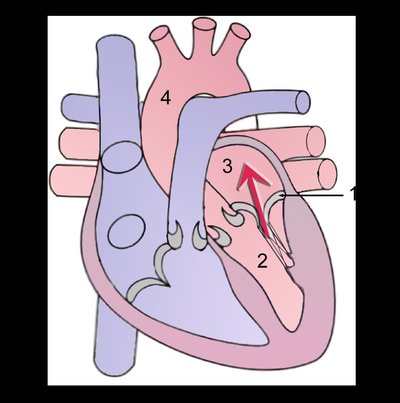
Mitral insufficiency (MI), also known as mitral regurgitation, is a clinical condition characterized by the inadequate closure of the mitral valve during systole, resulting in the backflow of blood from the left ventricle to the left atrium. This article aims to provide a detailed and comparative analysis of the various techniques used in mitral valve repair for the treatment of mitral insufficiency, with a focus on minimally invasive approaches. The choice of the most suitable technique for each patient is crucial to the success of treatment and the improvement of survival outcomes. By reviewing the available therapeutic options, this work seeks to contribute to clinical practice, promoting a clearer understanding of the benefits and limitations of each approach. For data collection, recognized scientific databases were used, such as the Scientific Electronic Library Online (SciELO), Google Scholar, the Virtual Health Library of the Ministry of Health (VHL) and PUBMED. Data analysis was carried out using the content analysis technique, which made it possible to identify the main themes addressed by the authors and their contributions to the development of the proposed theme. Thus, he studies analyzed in this article reveal important advancements in the management of mitral conditions, including rheumatic mitral stenosis, mitral regurgitation associated with prolapse, and Barlow's disease, through innovative approaches such as percutaneous mitral balloon valvuloplasty, transcatheter mitral valve replacement (TMVR), and robot-assisted mitral valve repair (R-MVP). The results demonstrate that percutaneous mitral balloon valvuloplasty offers an effective and less invasive therapeutic option compared to mitral valve replacement, with clear advantages in terms of shorter hospital stays, reduced hospital mortality rates, and a high early post-procedural success rate. However, the higher reintervention rate observed in the percutaneous mitral balloon valvuloplasty group highlights the need for long-term follow-up to monitor the durability of the results.