
Sporoderm-removed ganoderma lucidum spore powder (S-GLSP) alleviates neuroinflammation injury by regulating microglial polarization through inhibition of NLRP3 inflammasome activation Article Swipe
 YOU?
·
· 2025
· Open Access
·
· DOI: https://doi.org/10.3389/fphar.2025.1690192
YOU?
·
· 2025
· Open Access
·
· DOI: https://doi.org/10.3389/fphar.2025.1690192
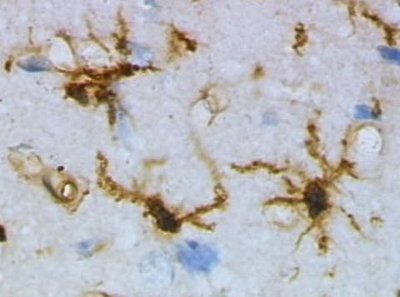
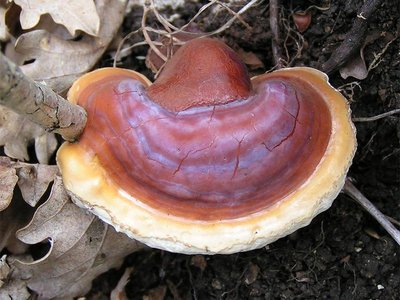
Introduction Sporoderm-Removed Ganoderma lucidum Spore Powder (S-GLSP), derived from the spores of the medically valued fungus Ganoderma lucidum, exhibits diverse pharmacological activities and shows considerable potential in the treatment of Alzheimer’s disease (AD). However, its underlying mechanisms of action remain incompletely elucidated. This study aims to investigate the protective effects of S-GLSP against AD and to explore the molecular mechanisms involved. Materials and Methods The chemical profile of S-GLSP extract was characterized using LC-MS/MS. Alzheimer’s disease models were established both in vivo and in vitro : a rat model was induced by D-galactose combined with intracerebroventricular injection of Aβ, while a cellular model was stimulated with LPS. The neuroprotective effects of S-GLSP were assessed through behavioral tests and hematoxylin-eosin (HE) staining. Immunofluorescence staining, Western blot (WB), RT-qPCR, and ELISA were employed to evaluate microglial polarization and NLRP3 inflammasome activation. Cell viability was measured using MTT and EdU assays. Finally, NLRP3 knockdown was performed to verify whether S-GLSP modulates microglial polarization via regulation of the NLRP3 inflammasome. Results A total of 42 chemical compounds were identified in S-GLSP, including flavonoids, alkaloids, terpenoids, saccharides, phenolics, fatty acids, nucleosides, amino acids, and other. S-GLSP treatment alleviated neuronal damage, improved learning and memory deficits, and reduced the expression of phosphorylated tau (p-tau) in AD model rats. Further experiments in vitro and in vivo showed that S-GLSP downregulated M1 phenotypic markers (CD86, iNOS, TNF-α) and upregulated M2 markers (CD206, Arg-1, IL-10). Moreover, S-GLSP inhibited NLRP3 inflammasome activation and regulated the secretion of IL-1β and IL-18, effects that were consistent with those observed following NLRP3 knockdown. Conclusion Our findings demonstrate that S-GLSP alleviates Alzheimer’s disease pathology by inhibiting NLRP3 inflammasome activation, promoting a shift in microglial polarization from the M1 to the M2 phenotype, and modulating the release of inflammatory cytokines. This study provides novel mechanistic insights into the therapeutic potential of S-GLSP for AD.
Related Topics To Compare & Contrast







- Type
- article
- Language
- en
- Landing Page
- https://doi.org/10.3389/fphar.2025.1690192
- https://public-pages-files-2025.frontiersin.org/journals/pharmacology/articles/10.3389/fphar.2025.1690192/pdf
- OA Status
- gold
- References
- 49
- OpenAlex ID
- https://openalex.org/W7106499539