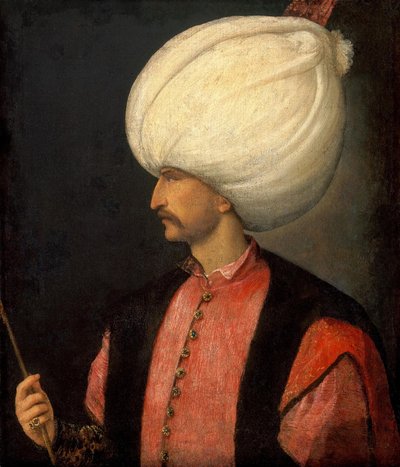


Description
Nuʿmān ibn Thābit ibn Zūṭā ibn Marzubān (Arabic: نعمان بن ثابت بن زوطا بن مرزبان; c. 696–767), commonly known by his kunya Abū Ḥanīfa (Arabic: أبو حنيفة), or reverently as Imam Abū Ḥanīfa by Sunni Muslims, was a Sunni Muslim theologian and jurist who became the eponymous founder of the Hanafi school of Sunni jurisprudence, which has remained the most widely practised school of law in the Sunni tradition. The school of thought predominates in Central Asia, Afghanistan, Iran (until the 16th century), Turkey, the Balkans, Russia, Circassia, Pakistan, Bangladesh, Muslims in India, and some parts of the Arab world. He is also widely called al-Imām al-Aʿẓam ("The Greatest Imam") and Sirāj al-Aʾimma ("The Lamp of the Imams") by Sunni Muslims.
Born to a Muslim family in Kufa, Abu Hanifa is known to have travelled to the Hejaz region of Arabia in his youth, where he studied in Mecca and Medina. As his career as a theologian and jurist progressed, Abu Hanifa became known for favouring the use of reason in his legal rulings ( faqīh dhū raʾy ) and even in his theology. Abu Hanifa's school of theology would later develop into the Maturidi school of Sunni theology.
*[c.]: circa