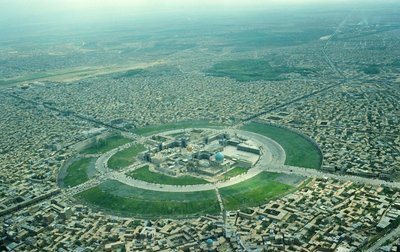

Description
Ahvaz (Persian: اهواز, romanized: Ahvâz [ʔæhˈvɒːz] ) is a city in the Central District of Ahvaz County, Khuzestan province, Iran, and serves as capital of the county, the district, and the province. It is home to Persians, Arabs, Bakhtiaris, Dezfulis, Shushtaris, and others. Languages spoken in the area include Persian and Arabic, as well as Luri (Bakhtiari) and different persian dialects such as Dezfuli, Shushtari and etc. Ahvaz's population is about 1,300,000 and its built-up area with the nearby town of Sheybani is home to 1,136,989 inhabitants.
At the 2006 National Census, its population was 969,843 in 212,097 households. The following census in 2011 counted 1,112,021 people in 288,271 households. The latest census in 2016 showed a population of 1,184,788 people in 331,556 households.
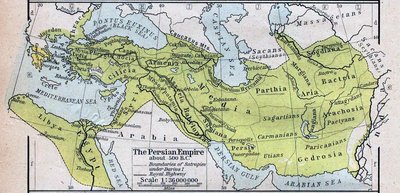
One of the two navigable rivers of Iran alongside the Arvand Rud (Shatt al- Arab), the Karun, passes through the middle of the city. Ahvaz has a long history, dating back to the Achaemenid period. In ancient times, the city was one of the main centers of the Academy of Gondishapur.
Ahvaz is famous for its beautiful bridges. The white bridge, the black bridge, the nature bridge and the cable bridge are the names of four of them.