

Description
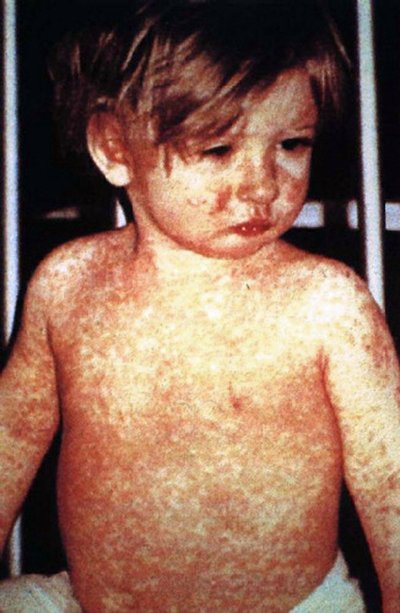
The Antonine Plague of AD 165 to 180, also known as the Plague of Galen (after Galen, the Greek physician who described it), was the first known pandemic impacting the Roman Empire, possibly contracted and spread by soldiers who were returning from campaign in the Near East. Scholars generally believe the plague was smallpox, although measles has also been suggested, and recent genetic evidence strongly suggests that smallpox only arose much later. In AD 169 the plague may have claimed the life of the Roman emperor Lucius Verus, who was co-regnant with Marcus Aurelius. These two emperors had risen to the throne by virtue of being adopted by the previous emperor, Antoninus Pius, and as a result, their family name, Antoninus, has become associated with the pandemic.
Ancient sources agree that the plague likely appeared during the Roman siege of the Mesopotamian city of Seleucia in the winter of 165–166. Ammianus Marcellinus reported that the plague spread to Gaul and to the legions along the Rhine. Eutropius stated that a large proportion of the empire's population died from this outbreak. According to the contemporary Roman historian Cassius Dio, the disease broke out again 9 years later in 189 AD and caused up to 2,000 deaths a day in the city of Rome, 25% of those who were affected. The total death count has been estimated at 5–10 million, roughly 10% of the population of the empire. The disease was particularly deadly in the cities and in the Roman army.
The Antonine plague occurred during the last years of what is called the Pax Romana, the high point in the influence, territorial control, and population of the Roman Empire. Historians differ in their opinions of the impact of the plague on the empire in the increasingly troubled eras after its appearance.