
Description
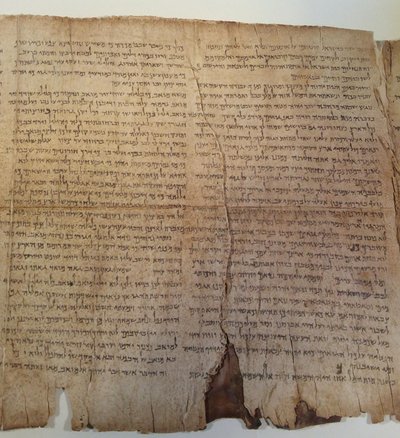
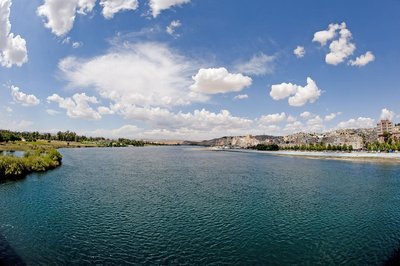
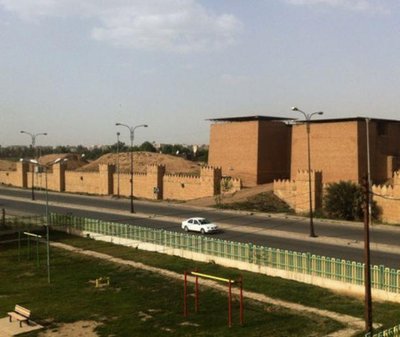
Aššur (; Sumerian: 𒀭𒊹𒆠 AN.ŠAR2KI, Assyrian cuneiform: Aš-šur KI, "City of God Aššur"; Syriac: ܐܫܘܪ Āšūr ; Old Persian 𐎠𐎰𐎢𐎼 Aθur , Persian: آشور: Āšūr ; Hebrew: אַשּׁוּר, ʾAššūr , Arabic: اشور), also known as Ashur and Qal'at Sherqat , was the capital of the Old Assyrian city-state (2025–1364 BC), the Middle Assyrian Empire (1363–912 BC), and for a time, of the Neo-Assyrian Empire (911–609 BC). The remains of the city lie on the western bank of the Tigris River, north of the confluence with its tributary, the Little Zab, in what is now Iraq, more precisely in the al-Shirqat District of the Saladin Governorate.
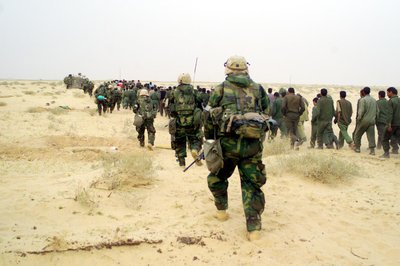
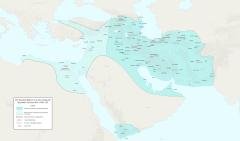
Occupation of the city itself continued for approximately 3,000 years, from the Early Dynastic Period to the mid-3rd century AD, when the city was sacked by the Sasanian Empire. The site is a World Heritage Site, having been added to that organisation's list of sites in danger in 2003 following the conflict that erupted following the US-led 2003 invasion of Iraq and as a result of a proposed dam which would flood some of the site. Assur lies 65 kilometres (40 mi) south of the site of Nimrud and 100 km (60 mi) south of Nineveh.