

Description
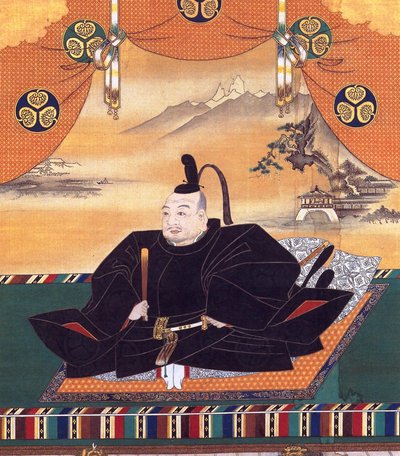
Burakumin (部落民, 'hamlet/village people') is a term for ethnic Japanese people who are believed to be descended from members of the pre-Meiji castes which were associated with kegare (穢れ, 'defilement'), such as executioners, undertakers, slaughterhouse workers, butchers, and tanners. The term encompasses both the historical eta and hinin outcasts. During Japan's feudal era, these occupations acquired a hereditary status of untouchability, and became an unofficial caste of the Tokugawa class system during the Edo period. Due to severe discrimination and ostracism in Japanese society, these groups came to live as outcasts, in their own separate villages or ghettos. After the caste system was abolished, the term burakumin came into use to refer the former caste members and their descendants, who continued to experience stigmatization and discrimination.