

Description
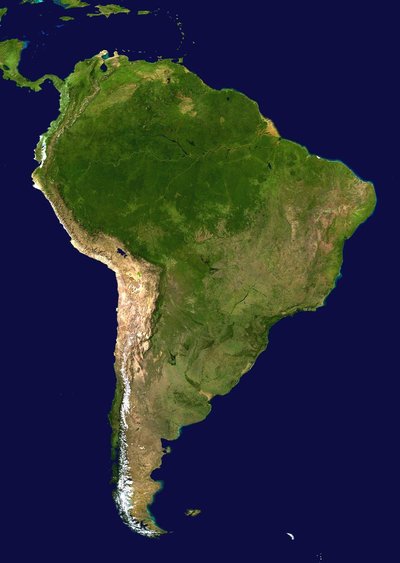
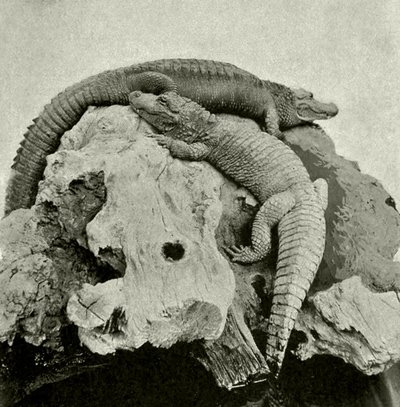
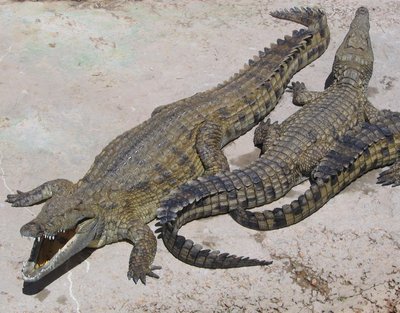
A caiman (; also cayman as a variant spelling from Taíno kaiman ) is an alligatorid belonging to the subfamily Caimaninae , one of two primary lineages within the Alligatoridae family, the other being alligators. Caimans inhabit Mexico and Central & South America from marshes and swamps to mangrove rivers and lakes. They have scaly skin and live a fairly nocturnal existence. They are relatively small-sized crocodilians with an average maximum weight of 6 to 40 kg (13 to 88 lb) depending on species, with the exception of the black caiman ( Melanosuchus niger ), which can grow more than 4 m (13 ft) in length and weigh in excess of 1,000 kg (2,200 Ib). The black caiman is the largest caiman species in the world and is found in the slow-moving rivers and lakes that surround the Amazon basin. The smallest species is the Cuvier's dwarf caiman ( Paleosuchus palpebrosus ), which grows to 1.2 to 1.5 m (3.9 to 4.9 ft) long. There are six different species of caiman found throughout the watery jungle habitats of Central and Southern America. The average length for most of the other caiman species is about 2 to 2.5 m (6.6 to 8.2 ft) long.
Caimans are distinguished from alligators, their closest relatives, by a few defining features: a lack of a bony septum between the nostrils, ventral armor composed of overlapping bony scutes formed from two parts united by a suture, and longer and sharper teeth than alligators, plus caimans tend to be more agile and crocodile-like in their movements. The calcium rivets on caiman scales make their hides stiffer.
Several extinct forms are known, including Purussaurus , a giant Miocene genus that grew to 12 m (39 ft) and the equally large Mourasuchus , which had a wide duck-like snout.