

Description
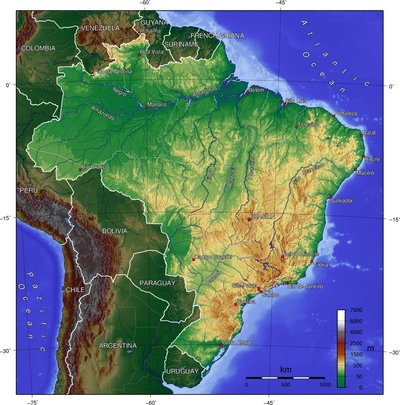
Candomblé (Portuguese pronunciation: [kɐ̃dõˈblɛ]) is an African diasporic religion that developed in Brazil during the 19th century. It arose through a process of syncretism between several of the traditional religions of West Africa, especially those of the Yoruba, Bantu, and Gbe. There is some influence from the Roman Catholic form of Christianity. There is no central authority in control of Candomblé, which is organized around autonomous terreiros (houses).
Candomblé involves the veneration of spirits known as orixás. Deriving their names and attributes from traditional West African deities, they are equated with Roman Catholic saints. Various myths are told about these orixás, which are regarded as subservient to a transcendent creator deity, Oludumaré. Each individual is believed to have a tutelary orixá who has been connected to them since before birth and who informs their personality. An initiatory tradition, Candomblé's members usually meet in temples known as terreiros run by priests called babalorixás and priestesses called ialorixás. A central ritual involves practitioners drumming, singing, and dancing to encourage an orixá to possess one of their members. They believe that through this possessed individual, they can communicate directly with a deity. Offerings to the orixás include fruit and sacrificed animals. Offerings are also given to a range of other spirits, including boiadero, preto velho, caboclos , and the spirits of the dead, the egun. Several forms of divination are utilized to decipher messages from the orixás. Healing rituals and the preparation of amulets and herbal remedies and baths, also play a prominent role.
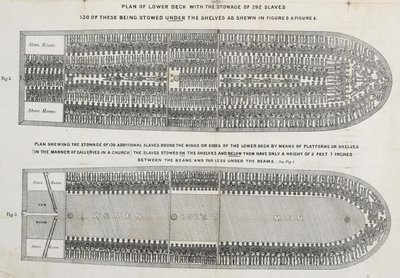
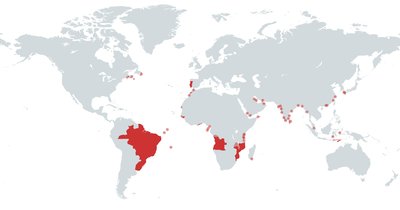
Candomblé developed among Afro-Brazilian communities amid the Atlantic slave trade of the 16th to 19th centuries. It arose through the blending of the traditional religions brought to Brazil by enslaved West and Central Africans, the majority of them Yoruba, Fon, and Bantu, and the Roman Catholic teachings of the Portuguese colonialists who then controlled the area. It primarily coalesced in the Bahia region during the 19th century. Following Brazil's independence from Portugal, the constitution of 1891 enshrined freedom of religion in the country, although Candomblé remained marginalized by the Roman Catholic establishment, which typically associated it with criminality. In the 20th century, growing emigration from Bahia spread Candomblé both throughout Brazil and abroad. The late 20th century saw growing links between Candomblé and related traditions in West Africa and the Americas, such as Cuban Santería and Haitian Vodou. Since the late 20th century, some practitioners have emphasized a re-Africanization process to remove Roman Catholic influences and create forms of Candomblé closer to traditional West African religion.
Each terreiro is autonomous although can be divided into distinct denominations, known as nations, based on which traditional West African belief system has been its primary influence. The most prominent nations are the Ketu, Jeje, and Angola. There are nearly 170,000 practitioners in Brazil, although smaller communities exist elsewhere, especially other parts of South America. Both in Brazil and abroad Candomblé has spread beyond its Afro- Brazilian origins and is practiced by individuals of various ethnicities.