

Description
In Greek mythology, the Charites (Χάριτες [kʰárites]), singular Charis , or Graces, were three or more goddesses of charm, beauty, nature, human creativity, goodwill, and fertility. Hesiod names three – Aglaea ("Shining"), Euphrosyne ("Joy"), and Thalia ("Blooming") – and names Aglaea as the youngest and the wife of Hephaestus. In Roman mythology they were known as the Gratiae , the "Graces". Some sources use the appellation "Charis" as the name of one of the Charites, and equate her with Aglaea, as she too is referred to as the wife of Hephaestus.
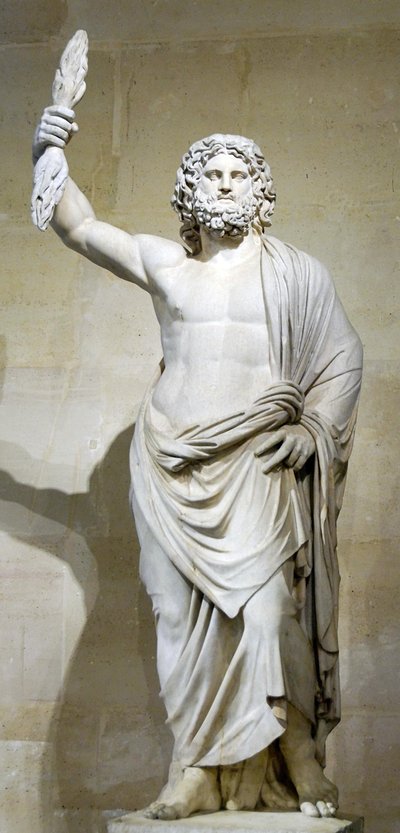
The Charites were usually considered the daughters of Zeus and Oceanid Eurynome. Rarely, they were said to be daughters of Dionysus and Coronis or of Helios and the naiad Aegle or of Hera by an unnamed father. Other possible names of their mother by Zeus are Eurydome, Eurymedousa, or Euanthe. Homer identified them as part of the retinue of Aphrodite. The Charites were also associated with the Greek underworld and the Eleusinian Mysteries.
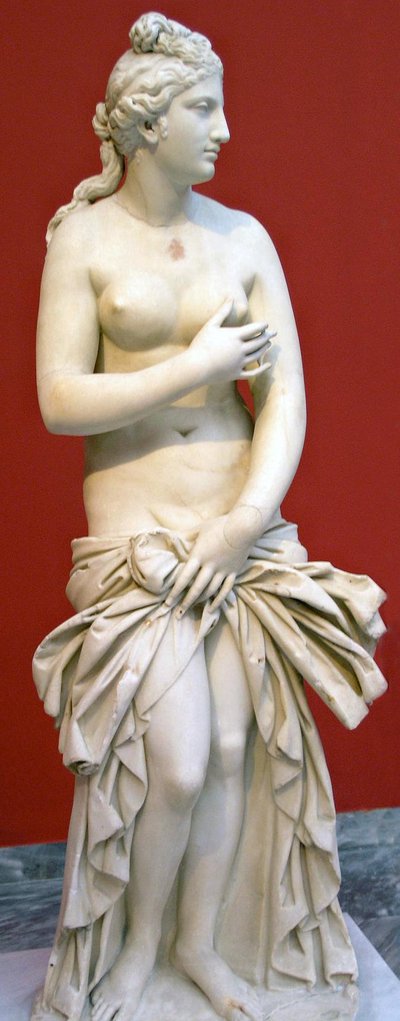
In post-classical painting and sculpture, the three Charites are often depicted naked or almost naked, but during the Archaic and Classical periods of Greece, they were typically depicted as fully clothed.