

Description
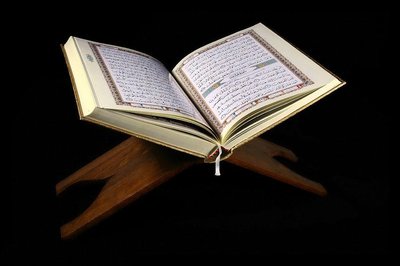
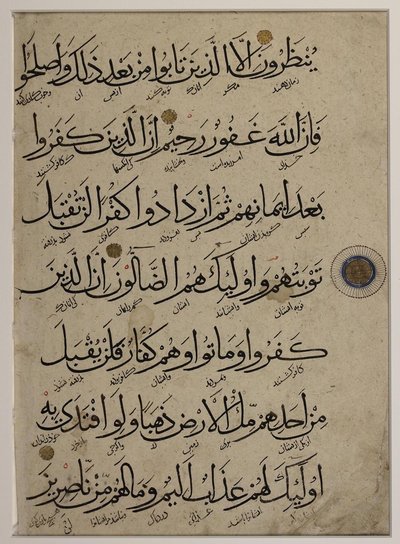
Classical Arabic or Quranic Arabic (Arabic: ٱلْعَرَبِيَّةُ ٱلْفُصْحَىٰ, romanized: al-ʿarabīyah l-fuṣḥā , lit. 'the most eloquent Arabic') is the standardized literary form of Arabic used from the 7th century and throughout the Middle Ages, most notably in Umayyad and Abbasid literary texts such as poetry, elevated prose and oratory, and is also the liturgical language of Islam. Classical Arabic is, furthermore, the register of the Arabic language on which Modern Standard Arabic is based.
A comprehensive written grammar of Classical Arabic was al-Kitāb by the Persian Muslim grammarian Sibawayh; it was an exegesis of Arabic grammar largely based on the existing poetic texts and the works of previous grammarians, in addition to the Qur'an and Bedouin informants whom he considered to be reliable speakers of Arabic. The primary focus of this work was to facilitate tafsir of the Qur'an and prophetic reports.
Modern Standard Arabic is its direct descendant used today throughout the Arab world in writing and in formal speaking, for example prepared speeches, some radio and TV broadcasts and non-entertainment content. Whilst the lexis and stylistics of Modern Standard Arabic are different from Classical Arabic, the morphology and syntax have remained basically unchanged (though Modern Standard Arabic uses a subset of the syntactic structures available in Classical Arabic). In the Arab world little distinction is made between Classical Arabic and Modern Standard Arabic and both are normally called al- fuṣḥā (الفصحى) in Arabic, meaning 'the most eloquent'.
*[lit.]: literal translation