



Description
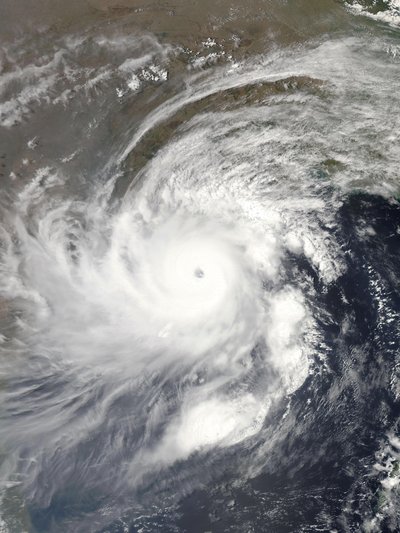
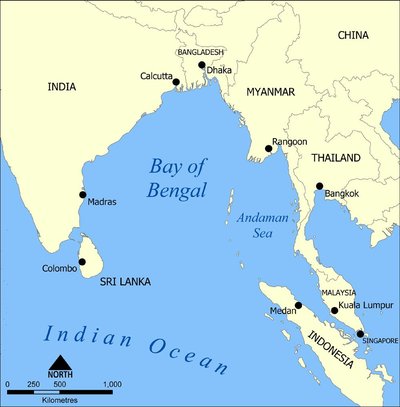
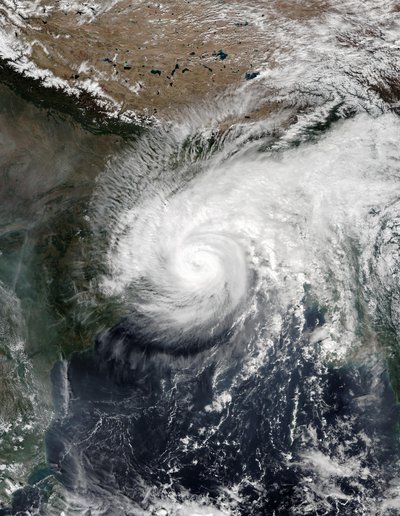
Cyclone Matmo–Bulbul is the unnofficial collective designation given to both Severe Tropical Storm Matmo and Very Severe Cyclonic Storm Bulbul (JTWC designation: 23W ), which were a pair of very damaging tropical cyclones that tracked in the western Pacific Ocean and the north Indian Ocean in October and November 2019, killing 43 people and inflicting about US$3.537 billion in damage. Matmo was the 41st tropical depression and the 27th named storm of the 2019 Pacific typhoon season, while Bulbul was the 9th depression and the 7th named storm of the 2019 North Indian Ocean cyclone season. The cyclone formed on October 28 in the South China Sea and intensified into Tropical Storm Matmo , as named by the Japan Meteorological Agency (JMA). On October 30, the storm made landfall in central Vietnam, causing flooding. Matmo weakened while moving westward across Mainland Southeast Asia, before degenerating into a remnant low later that day. The remnants of Matmo emerged into the Bay of Bengal, redeveloping into a depression on November 5. Late the next day, it strengthened into a cyclonic storm, renamed Bulbul by the India Meteorological Department (IMD), although the JTWC continued to refer it as Matmo. The storm reached peak intensity on November 8, with maximum sustained winds 140 km/h (85 mph) estimated by the IMD. On November 9, the cyclone made its final landfall in the eastern Indian state of West Bengal, and around that time the storm turned to the northeast, moving into Bangladesh. The system degenerated into a remnant low two days later, over northeastern India.
In India and Bangladesh, the storm caused storm surge, heavy rains, and flash floods. In addition, it is only the second storm to reach hurricane-equivalent strength in the Bay of Bengal after moving over Mainland Southeast Asia, the first being another cyclone in October 1960.