

Description
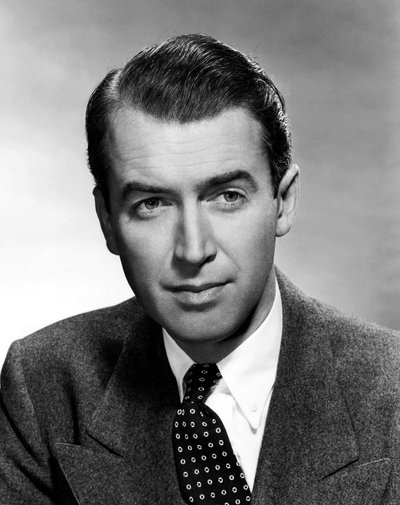
David Wark Griffith (January 22, 1875 – July 23, 1948) was an American film director. Considered one of the most influential figures in the history of the motion picture, he pioneered many aspects of film editing and expanded the art of the narrative film.
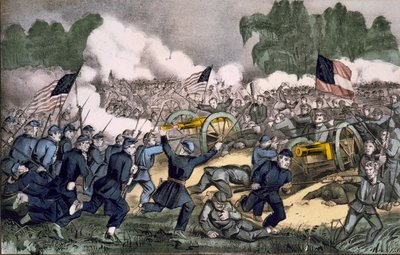
To modern audiences, Griffith is known primarily for directing the 1915 film The Birth of a Nation. One of the most financially successful films of all time, it made investors enormous profits, but it also attracted much controversy for its degrading portrayals of African Americans, its glorification of the Ku Klux Klan and support for the Confederacy, and its overtly racist viewpoint. The film led to riots in several major cities all over the United States, and the NAACP attempted to have the film banned. Griffith made his next film Intolerance (1916) as an answer to critics, who he felt unfairly maligned his work.
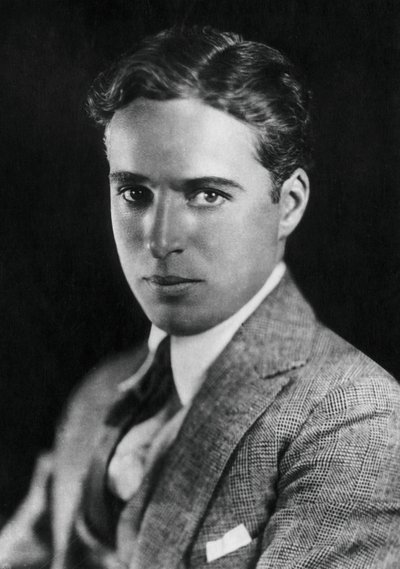
Together with Charlie Chaplin, Mary Pickford, and Douglas Fairbanks, Griffith founded the studio United Artists in 1919 with the goal of enabling actors and directors to make films on their own terms as opposed to the terms of commercial studios. Several of Griffith's later films were successful, including Broken Blossoms (1919), Way Down East (1920), and Orphans of the Storm (1921), but the high costs he incurred for production and promotion often led to commercial failure. He had made roughly 500 films by the time of The Struggle (1931), his final feature, and all but three were completely silent.
Griffith has a controversial legacy. Despite criticism, he was a widely celebrated and respected public figure during his life, and modern film historians continue to recognize him for his contributions to the craft of filmmaking. Nevertheless, many critics during his lifetime, as well as in the decades since his death, have characterized him and his work (most notably The Birth of a Nation ) as upholding white supremacist ideals. Historians frequently cite The Birth of a Nation as a major factor in the KKK's revival in the 20th century, and it remains controversial to this day.