

Description
In India, a devadasi is a female artist who is dedicated to the worship and service of a deity or a temple for the rest of her life. The dedication takes place in a ceremony that is somewhat similar to a marriage ceremony. In addition to taking care of the temple and performing rituals, these women also learn and practice classical Indian dances such as Bharatanatyam, Mohiniyattam, Kuchipudi, and Odissi. Their status as dancers, musicians and consorts were an essential part of temple worship.
Between the sixth and thirteenth centuries, Devadasis had a high rank and dignity in society and were exceptionally affluent as they were seen as the protectors of the arts. During this period royal patrons provided them with gifts of land, property, and jewellery. After becoming Devadasis, the women would spend their time learning religious rites, rituals and dances. Devadasis were expected to live a life of celibacy, however, there have been several instances of exceptions.
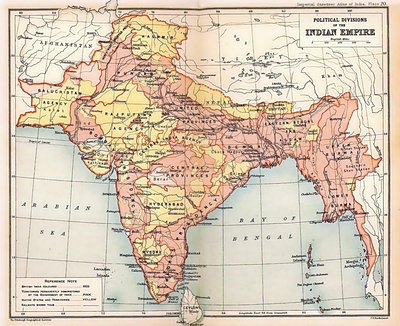
During the period of British rule in the Indian subcontinent, kings who were the patrons of temples lost their power, thus the temple artist communities also lost their significance. As a result, Devadasis were left without their traditional means of support and patronage and were now commonly associated with temple prostitution. The practice of Devadasi was banned during British rule, starting with the Bombay Devadasi Protection Act in 1934. The colonial view of Devadasi practices remains debated as the British colonial government were unable to distinguish the Devadasis from non-religious street dancers.
The Devadasi system though is still in existence in rudimentary form but with social activism state governments of different states at different times outlawed this ritual such as Andhra Pradesh Devdasis (Prohibition of dedication) Act, 1988, or the Madras Devdasis Act 1947.