
Description
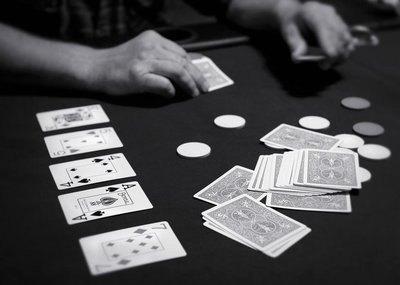
A dreidel , also dreidle or dreidl ( DRAY -dəl; Yiddish: דרײדל, romanized: dreydl , plural: dreydlech ; Hebrew: סביבון, romanized: sevivon ) is a four-sided spinning top, played during the Jewish holiday of Hanukkah. The dreidel is a Jewish variant on the teetotum, a gambling toy found in many European cultures.
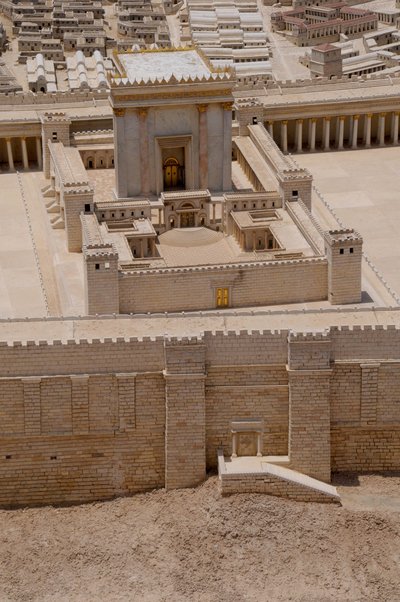
Each side of the dreidel bears a letter of the Hebrew alphabet: נ ( nun ), ג ( gimel ), ה ( hei ), ש ( shin ). These letters are represented in Yiddish as a mnemonic for the rules of a gambling game derived from teetotum played with a dreidel: nun stands for the word נישט ( nisht , "not", meaning "nothing"), gimel for גאַנץ ( gants , "entire, whole"), hei for האַלב ( halb , "half"), and shin for שטעל אַרײַן ( shtel arayn , "put in"). However, according to folk etymology, they represent the Hebrew phrase נֵס גָּדוֹל הָיָה שָׁם ( nes gadól hayá sham , "a great miracle happened there"), referring to the miracle of the cruse of oil. For this reason, most dreidels in Israel replace the letter shin with a letter פ (pe), to represent the phrase נֵס גָּדוֹל הָיָה פֹּה ( nes gadól hayá po , "a great miracle happened here "); however, many Haredi communities insist that the letter shin should be used in the Land of Israel as well, because the reference to "there" means in the Temple in Jerusalem and not in Israel.
While not mandated (a mitzvah) for Hanukkah (the only traditional mitzvot are lighting candles and saying the full hallel), spinning the dreidel is a traditional game played during the holiday.
Astronaut Jeffrey A. Hoffman spun a dreidel made by Israeli silversmith Gideon Hay for an hour in outer space.