
Description
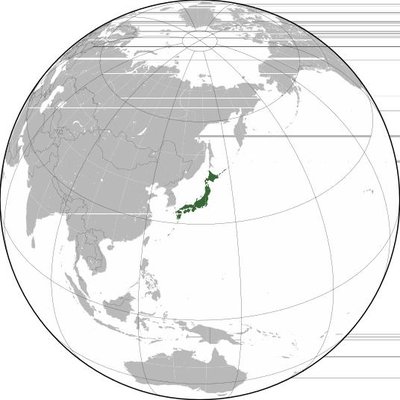
The Emishi (蝦夷) (also called Ebisu and Ezo ), written with Kanji that literally mean "shrimp barbarians," constituted an ancient ethnic group of people who lived in parts of Honshū, especially in the Tōhoku region, referred to as michi no oku (道の奥, roughly "deepest part of the road") in contemporary sources.
The first mention of the Emishi in literature that can be corroborated with outside sources dates to the 5th century AD, in which they are referred to as máorén (毛人 - "hairy people") in Chinese records. Some Emishi tribes resisted the rule of various Japanese Emperors during the Asuka, Nara, and early Heian periods (7th–10th centuries AD).
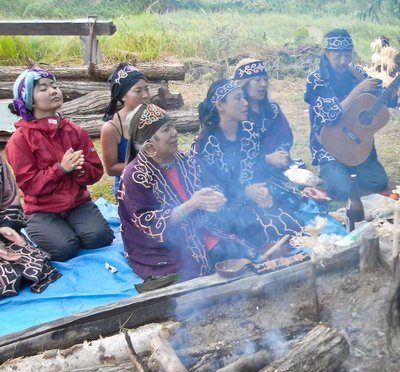
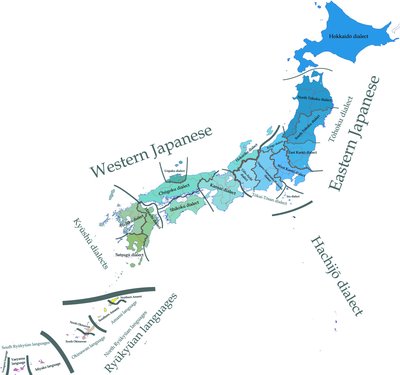
The origin of the Emishi is disputed. They are often thought to have descended from some tribes of the Jōmon people. Some historians believe that they were related to the Ainu people, but others disagree with this theory and see them as a completely distinct ethnicity. Recent evidence suggests that the Emishi that inhabited Northern Honshu consisted of several distinct tribes (which included pre-Ainu people, non-Yamato Japanese, and admixed people), who united and resisted the expansion of the Yamato Empire. It is suggested that the Emishi spoke a divergent Japonic language, similar to the historical Izumo dialect.