

Description
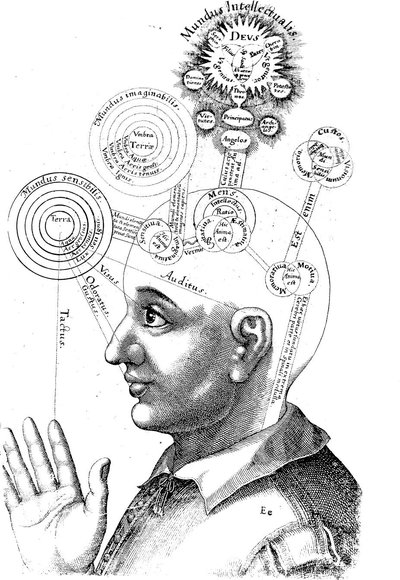
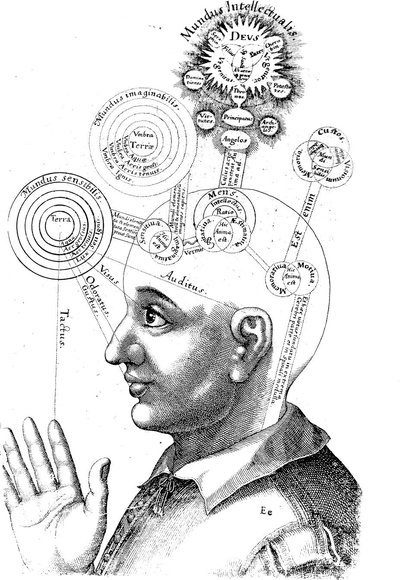
Epiphenomenalism is a position on the mind–body problem which holds that physical and biochemical events within the human body (sense organs, neural impulses, and muscle contractions, for example) are the sole cause of mental events (thought, consciousness, and cognition). According to this view, subjective mental events are completely dependent for their existence on corresponding physical and biochemical events within the human body, yet themselves have no influence over physical events. The appearance that subjective mental states (such as intentions) influence physical events is merely an illusion. For instance, fear seems to make the heart beat faster, but according to epiphenomenalism the biochemical secretions of the brain and nervous system (such as adrenaline)—not the experience of fear—is what raises the heartbeat. Because mental events are a kind of overflow that cannot cause anything physical, yet have non-physical properties, epiphenomenalism is viewed as a form of property dualism.