
Description
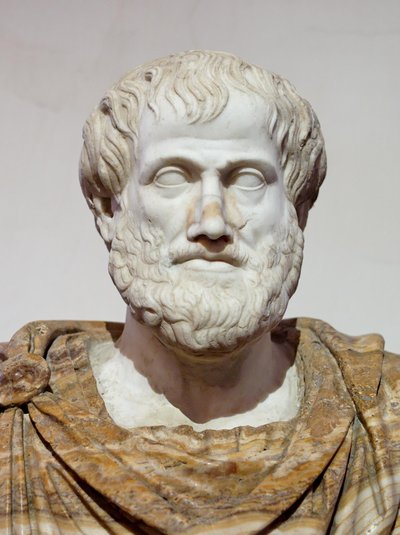
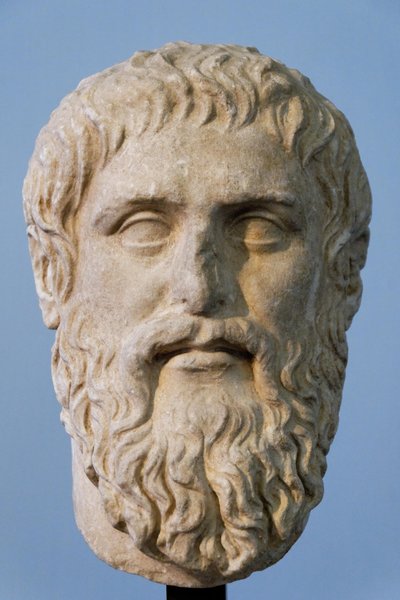
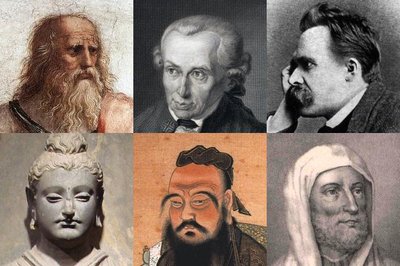
Essentialism is the view that objects have a set of attributes that are necessary to their identity. In early Western thought, Plato's idealism held that all things have such an "essence"—an "idea" or "form". In Categories , Aristotle similarly proposed that all objects have a substance that, as George Lakoff put it, "make the thing what it is, and without which it would be not that kind of thing". The contrary view—non-essentialism—denies the need to posit such an "essence'".
Essentialism has been controversial from its beginning. Plato, in the Parmenides dialogue, depicts Socrates questioning the notion, suggesting that if we accept the idea that every beautiful thing or just action partakes of an essence to be beautiful or just, we must also accept the "existence of separate essences for hair, mud, and dirt".
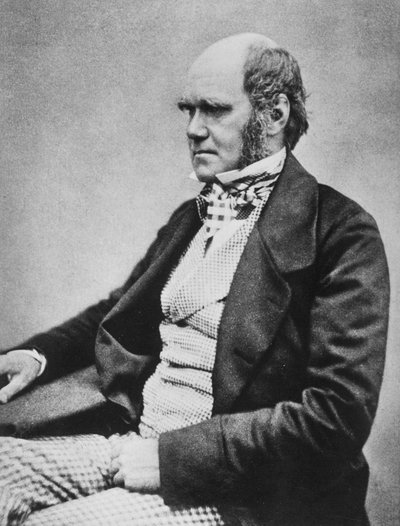
In biology and other natural sciences, essentialism provided the rationale for taxonomy at least until the time of Charles Darwin; the role and importance of essentialism in biology is still a matter of debate.
In modern times, academics in science, aesthetics, heuristics, psychology, and gender-based sociological studies have advanced their causes under the banner of essentialism.
Essentialism News
Tags ≈ Essentialism
Collections
No collections available for this topic.