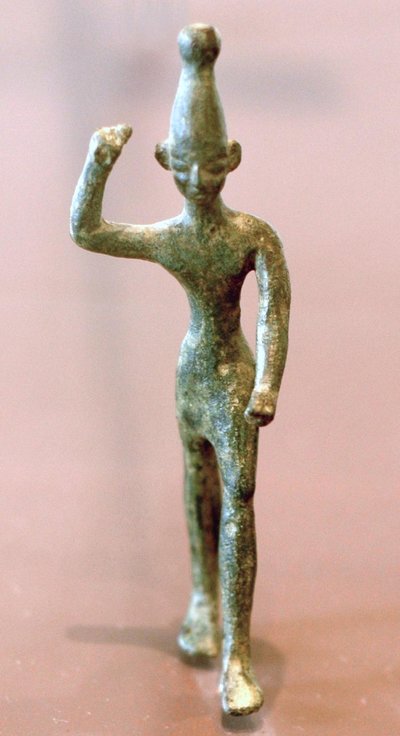


Description
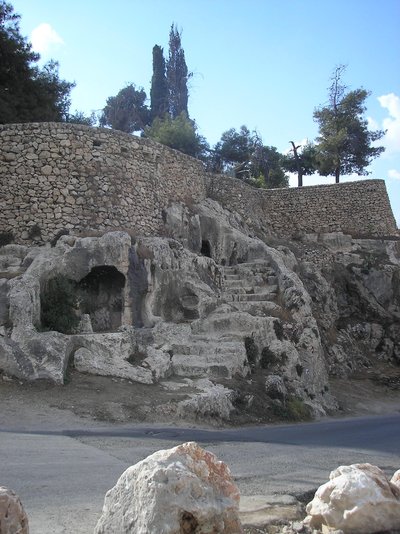
The Valley of Hinnom , Gehinnom or Gehenna is a historic valley surrounding Ancient Jerusalem from the west and southwest that has acquired various theology connotations, including as a place of divine punishment in Jewish eschatology.
The valley surrounds the Old City of Jerusalem and the adjacent Mount Zion from the west and south. It meets and merges with the Kidron Valley, the other principal valley around the Old City, near the Pool of Siloam which lie to the southeastern corner of Ancient Jerusalem. It is also known as Wadi er- Rababi (Arabic: وادي الربابة "valley of the Rebab"). The northwestern part of the valley is now an urban park.
The place is first mentioned in the Hebrew Bible as part of the border between the tribes of Judah and Benjamin (Joshua 15:8). During the late First Temple period, it was the site of the Tophet, where some of the kings of Judah had sacrificed their children by fire (Jeremiah 7:31). Thereafter, it was cursed by the biblical prophet Jeremiah (Jeremiah 19:2–6).
In later Jewish rabbinic literature, "Gehinnom" became associated with divine punishment in Jewish Apocalypticism as the destination of the wicked for the expiation of their sins. The term is different from the more neutral term Sheol, the abode of the dead. The King James Version of the Bible translates both with the Anglo-Saxon word hell.