

Description
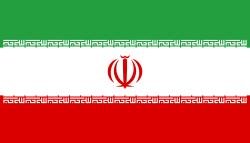
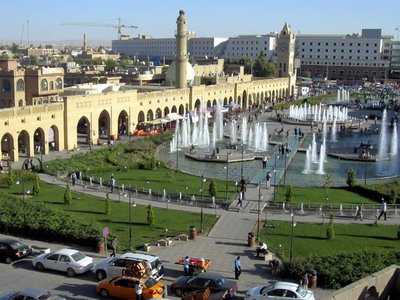
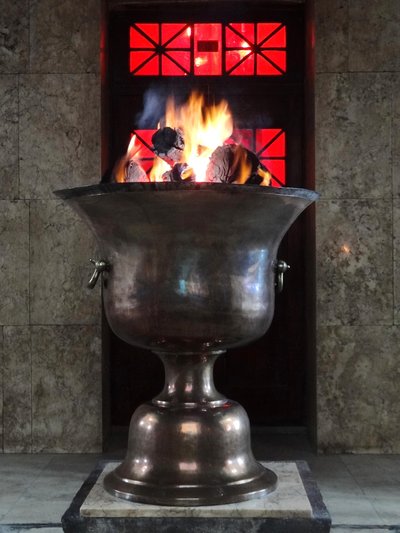
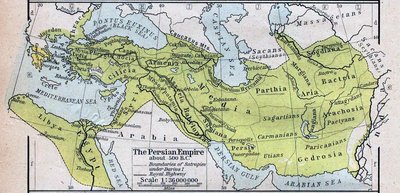
Greater Iran (Persian: ایران بزرگ Irān-e Bozorg ), also known as Persosphere , refers to a sociocultural region in which Iranian traditions and Iranian languages have had a significant impact. It spans parts of West Asia, the Caucasus, Central Asia, South Asia, and Xinjiang. The region is defined by having been long-ruled by the dynasties of various Iranian empires, under whom the local populaces gradually incorporated some degree of Iranian influence into their cultural and/or linguistic traditions; or alternatively as where a considerable number of Iranian peoples settled to still maintain communities who patronize their respective cultures, geographically corresponding to the areas surrounding the Iranian plateau. It is referred to as the "Iranian Cultural Continent" by Encyclopædia Iranica.
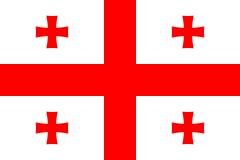
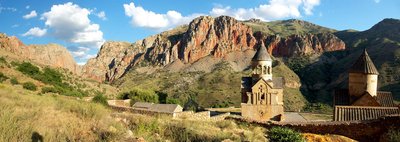
Throughout the 16th–19th centuries, Iran lost many of the territories that had been conquered under the Safavids and Qajars. The Ottoman–Iranian Wars resulted in the loss of present-day Iraq to the Ottoman Empire, as outlined in the Treaty of Amasya in 1555 and the Treaty of Zuhab in 1639. Simultaneously, the Russo-Iranian Wars resulted in the loss of the Caucasus to the Russian Empire: the Treaty of Gulistan in 1813 saw Iran cede present-day Dagestan, Georgia, and most of Azerbaijan; and the Treaty of Turkmenchay in 1828 saw Iran cede present-day Armenia, the remainder of Azerbaijan, and Iğdır, setting the northern boundary along the Aras River. Parts of Afghanistan were lost to the British Empire through the Treaty of Paris in 1857 and the McMahon Arbitration in 1905.