Description
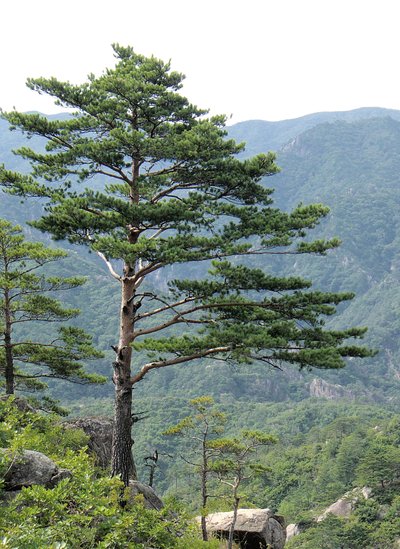
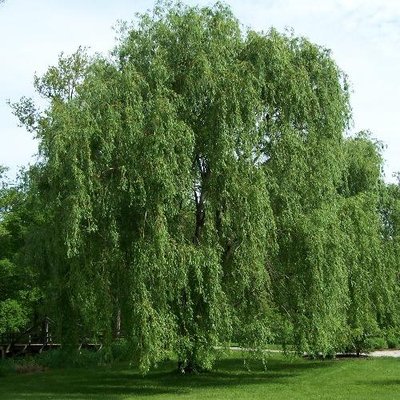
Hanafuda (Japanese: 花札, lit. 'flower cards') are a type of Japanese playing cards. They are typically smaller than Western playing cards, only 5.4 by 3.2 cm, but thicker and stiffer, and often with a pronounced curve. On the face of each card is a depiction of plants, tanzaku (短冊), animals, birds, or man-made objects. One single card depicts a human. The back side is usually plain, without a pattern or design of any kind, and traditionally coloured either red or black. Hanafuda are used to play a variety of games including Koi-Koi and Hachi-Hachi.
In Korea, hanafuda are known as Hwatu (Korean: 화투, Hanja: 花鬪, 'flower battle') and made of plastic with a textured back side. The most popular games are Go-stop (Korean: 고스톱) and Seotda (Korean: 섯다). Hwatu is very commonly played in South Korea during special holidays such as Lunar New Year and Chuseok (Korean: 추석).
In Hawaii, hanafuda is used to play Sakura. Hanafuda is also played in Micronesia, where it is known as hanahuda and is used to play a four-person game, which is often played in partnerships.