

Description
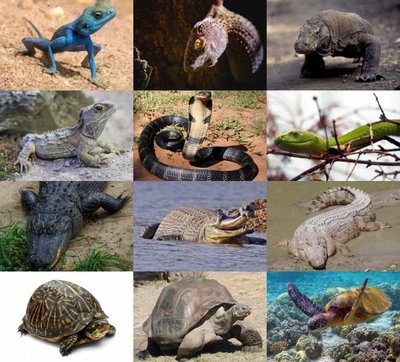
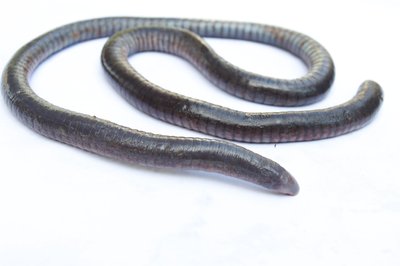
Herpetology (from Greek ἑρπετόν herpetón , meaning "reptile" or "creeping animal") is the branch of zoology concerned with the study of amphibians (including frogs, toads, salamanders, newts, and caecilians (gymnophiona)) and reptiles (including snakes, lizards, amphisbaenids, turtles, terrapins, tortoises, crocodilians, and tuataras). Birds, which are cladistically included within Reptilia, are traditionally excluded here; the scientific study of birds is the subject of ornithology.
The definition of herpetology can be more precisely stated as the study of ectothermic (cold-blooded) tetrapods. This definition "herps" (or sometimes "herptiles" or "herpetofauna") excludes fish, but it is not uncommon for herpetological and ichthyological scientific societies to collaborate. Examples include publishing joint journals and holding conferences to foster the exchange of ideas between the fields, as the American Society of Ichthyologists and Herpetologists does. Herpetological societies are formed to promote interest in reptiles and amphibians, both captive and wild.
Herpetological studies can offer benefits relevant to humanity-centric fields by researching of the role of amphibians and reptiles in global ecology. Examples: by monitoring amphibians that are very sensitive to environmental changes, herpetologists record visible warnings that significant changes in climate are taking place. Some toxins and venoms produced by reptiles and amphibians are useful in human medicine. Currently, some snake venom has been used to create anti-coagulants that work to treat strokes and heart attacks.
Herpetology News
Collections
No collections available for this topic.