



Description
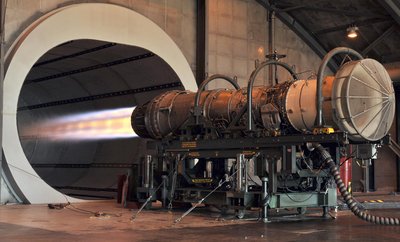
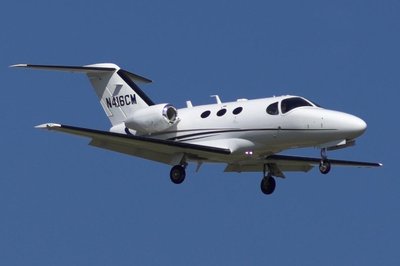
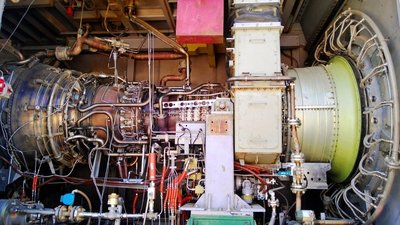
A hydrogen-powered aircraft is an aeroplane that uses hydrogen fuel as a power source. Hydrogen can either be burned in a jet engine or another kind of internal combustion engine, or can be used to power a fuel cell to generate electricity to power an electric propulsor. It cannot be stored in a traditional wet wing, and hydrogen tanks have to be housed in the fuselage or be supported by the wing.
Hydrogen, which can be produced from low-carbon power and can produce zero emissions, can reduce the environmental impact of aviation. Boeing acknowledges the technology potential and Airbus plans to launch a first commercial hydrogen-powered aircraft by 2035. McKinsey & Company forecast hydrogen aircraft entering the market in the late 2030s and scaling up through 2050, when they could account for a third of aviation's energy demand.
Considerable added electrical generation would be needed as the jet fuel energy consumed in 2019 represented 14% of the world’s electricity; and generating the power needed, producing, liquefying and distributing the hydrogen would cost several trillion dollars.MIT's Alan H. Epstein considers investments would be better spent on sustainable aviation fuel than on hydrogen aircraft.