
Description
I. G. Farbenindustrie AG (in full 'Interessengemeinschaft Farbenindustrie AG', German for 'Dye industry syndicate stock corporation'), commonly known as IG Farben (German for 'IG Dyestuffs'), was a German chemical and pharmaceutical conglomerate. Formed in 1925 from a merger of six chemical companies—BASF, Bayer, Hoechst, Agfa, Chemische Fabrik Griesheim-Elektron, and Chemische Fabrik vorm. Weiler Ter Meer—it was seized by the Allies after World War II and divided back into its constituent companies.
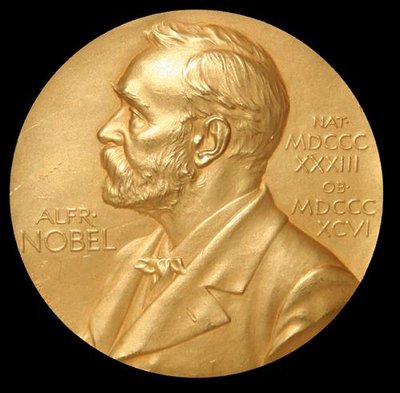
IG Farben was once the largest company in Europe and the largest chemical and pharmaceutical company in the world. IG Farben scientists made fundamental contributions to all areas of chemistry and the pharmaceutical industry. Otto Bayer discovered the polyaddition for the synthesis of polyurethane in 1937, and three company scientists became Nobel laureates: Carl Bosch and Friedrich Bergius in 1931 "for their contributions to the invention and development of chemical high pressure methods", and Gerhard Domagk in 1939 "for the discovery of the antibacterial effects of prontosil".
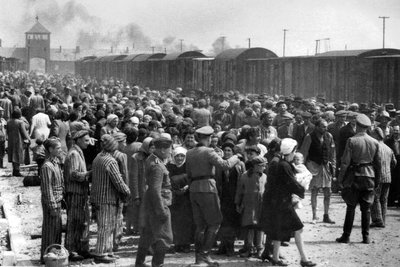
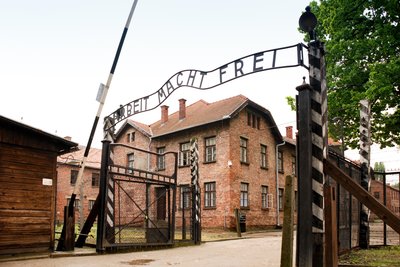
The company had ties in the 1920s, to the liberal German People's Party and was accused by the Nazis of being an "international capitalist Jewish company". A decade later, it was a Nazi Party donor and, after the Nazi takeover of Germany in 1933, a major government contractor, providing significant material for the German war effort. Throughout that decade it purged itself of its Jewish employees; the remainder left in 1938. Described as "the most notorious German industrial concern during the Third Reich" in the 1940s the company relied on slave labour from concentration camps, including 30,000 from Auschwitz, and was involved in medical experiments on inmates at both Auschwitz and the Mauthausen concentration camp. One of its subsidiaries supplied the poison gas, Zyklon B, that killed over one million people in gas chambers during the Holocaust.
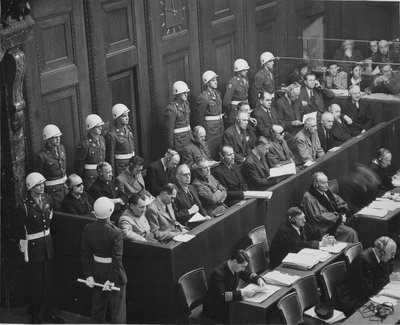
The Allies seized the company at the end of the war in 1945 and the US authorities put its directors on trial. Held from 1947 to 1948 as one of the subsequent Nuremberg trials, the IG Farben trial saw 23 IG Farben directors tried for war crimes and 13 convicted. By 1951, however, all of them were released from prison early after the U.S. military instituted good time credits in its war crime program. What remained of IG Farben in the West was split in 1951 into its six constituent companies, then again into three: BASF, Bayer and Hoechst. These companies continued to operate as an informal cartel and played a major role in the West German Wirtschaftswunder. Following several later mergers the main successor companies are Agfa, BASF, Bayer and Sanofi. In 2004, the University of Frankfurt, housed in the former IG Farben head office, set up a permanent exhibition on campus, the Norbert Wollheim memorial, for the slave labourers and those killed by Zyklon B.