

Description
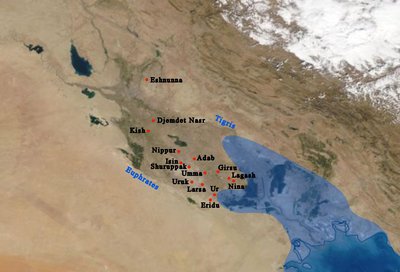
Iraqi cuisine (Arabic: المطبخ العراقي) is a Middle Eastern cuisine that has its origins in the ancient Near East culture of the fertile crescent. Tablets found in ancient ruins in Iraq show recipes prepared in the temples during religious festivals—the first cookbooks in the world. Ancient Mesopotamia was home to a sophisticated and highly advanced civilization, in all fields of knowledge, including the culinary arts.
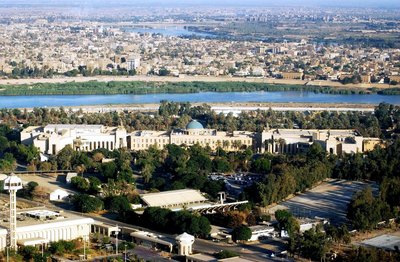
The Iraqi kitchen reached its zenith in the Islamic Golden Age when Baghdad was the capital of the Abbasid Caliphate (750–1258 AD). Over the course of history, the cuisine of Iraq has been influence by Persian cuisine, the cuisine of Anatolia and later Ottoman cuisine, and the Arab cuisines of surrounding countries.
The cuisine varies across the country. The cooking of Northern Iraq is known for adding pomegranate to the dolma juice prominently to give it a unique taste. In Southern Iraq, fish is used extensively, while the middle region, including Baghdad and the surrounding cities, is known for its variety of rice dishes and sweets.
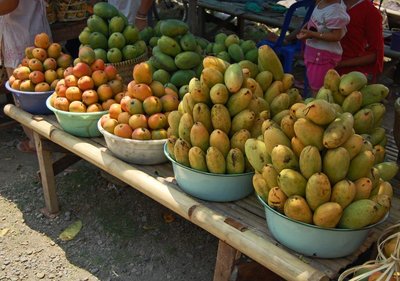
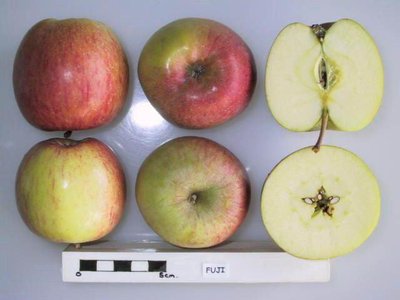
Contemporary Iraq reflects the same natural division as ancient Mesopotamia, which consisted of Assyria in the arid northern uplands and Babylonia in the alluvial plain. Upper Mesopotamia grows wheat and crops requiring winter chill such as apples and stone fruits. Lower Mesopotamia grows rice and barley, citrus fruits, and is responsible for Iraq's position as one of the world's largest producer of dates.