

Description
Kösem Sultan (Ottoman Turkish: كوسم سلطان; c. 1589 – 2 September 1651), also known as Mahpeyker Sultan (Persian: ماه پيكر; lit. 'Visage of the Moon'), was Haseki Sultan of the Ottoman Empire as the chief consort and legal wife of the Ottoman Sultan Ahmed I, Valide Sultan as the mother of sultans Murad IV and Ibrahim, and Büyük (lit. 'elder') Valide Sultan as the grandmother of Sultan Mehmed IV. She became one of the most powerful and influential women in Ottoman history, as well as a central figure during the period known as the Sultanate of Women.
Kösem Sultan’s stature and influence were facilitated by her astute grasp of Ottoman politics and the large number of children she bore. One of her sons and grandson required her regency early in their reigns, and her daughters’ marriages to prominent statesmen provided her with allies in government. She exerted considerable influence over Sultan Ahmed, and it's probable that her efforts on keeping his half-brother Mustafa—who later became Mustafa I—alive contributed to the transition from a system of succession based on primogeniture to one based on agnatic seniority.
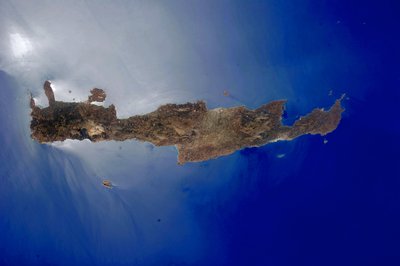
Kösem Sultan was virtual head of government as regent to Murad IV (r. 1623–1640) and Mehmed IV (r. 1648–1687), during which she gained notoriety and affection among her subjects, wielded unrivaled political authority, and shaped the foreign and domestic policies of the empire. Despite the turmoil and instability that marked her early years as regent, she managed to keep the state institutions and the government running. She initially advocated pro- Venetian policies; however, this changed. During the growing tensions between the Ottoman Empire and the Republic of Venice in the 1640s, she and her allies were blamed for pressuring Ibrahim to launch a largely unsuccessful naval assault on the Venetian-controlled island of Crete. She had to contend with a Venetian blockade of the Dardanelles, which culminated in the naval Battle of Focchies in 1649, as well as merchant uprisings sparked by a financial crisis in the years that followed.
Some historians questioned her intents and motivations for espousing the Janissaries' cause throughout her three decades of power and claimed that she had amassed a great fortune through illegitimate means. She did, however, make great use of the funds she amassed from her estates and income by funding philanthropic endeavors and building projects that served as tangible manifestations of the dynasty's concern for its subjects. She was posthumously referred to by the names: "Vālide-i Muazzama" (magnificent mother), "Vālide-i Maḳtūle" (murdered mother), and "Vālide-i Şehīde" (martyred mother).
[c.]: circa [lit.]: literal translation