


Description
Low-background steel , also known as pre-war steel , is any steel produced prior to the detonation of the first nuclear bombs in the 1940s and 1950s. Typically sourced from ships (either as part of regular scrapping or shipwrecks) and other steel artifacts of this era, it is often used for modern particle detectors because more modern steel is contaminated with traces of nuclear fallout.
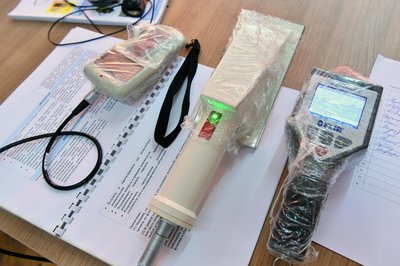
Since the end of atmospheric nuclear testing, background radiation has decreased to very near natural levels, making special low-background steel no longer necessary for most radiation-sensitive uses, as brand-new steel now has a low enough radioactive signature that it can generally be used. Some demand remains for the most radiation-sensitive uses, such as Geiger counters and sensing equipment aboard spacecraft. For the most demanding items even low- background steel can be too radioactive and other materials like high purity copper may be used.
In cases where World War II-era shipwrecks in and near the relatively shallow Java Sea and western South China Sea that have been illegally scavenged it has been suggested that the target is low-background steel. Andrew Brockman, a maritime crime researcher and archaeologist, argues that it is more likely to be conventional salvage.
Low-Background Steel News
Tags
Collections
No collections available for this topic.