
Description
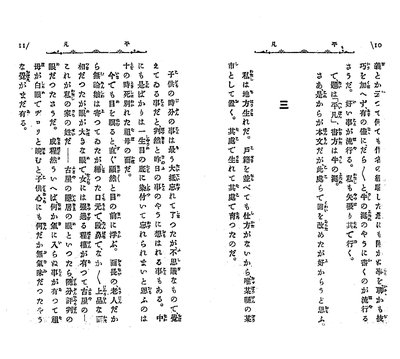
Man'yōgana (万葉仮名, Japanese pronunciation: [maɰ̃joꜜːɡana] or [maɰ̃joːɡana]) is an ancient writing system that uses Chinese characters to represent the Japanese language. It was the first known kana system to be developed as a means to represent the Japanese language phonetically. The date of the earliest usage of this type of kana is not clear, but it was in use since at least the mid-7th century. The name "man'yōgana" derives from the Man'yōshū , a Japanese poetry anthology from the Nara period written with man'yōgana.
Texts using the system also often use Chinese characters for their meaning, but man'yōgana refers to such characters only when used to represent a phonetic value. The values were derived from the contemporary Chinese pronunciation, but native Japanese readings of the character were also sometimes used. For example, 木 (whose character means 'tree') could represent either /mo/ (based on Middle Chinese [məwk]) or /ko/ or /kwi/ (meaning 'tree' in Old Japanese).
Simplified versions of man'yōgana eventually gave rise to both the hiragana and katakana scripts, which are used in Modern Japanese.