



Description
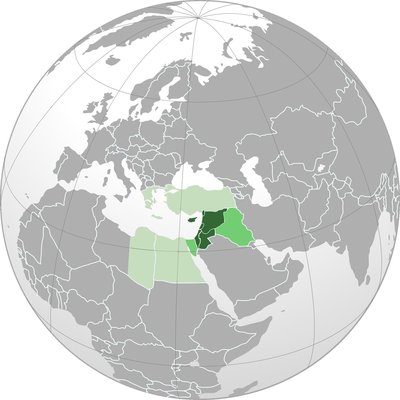
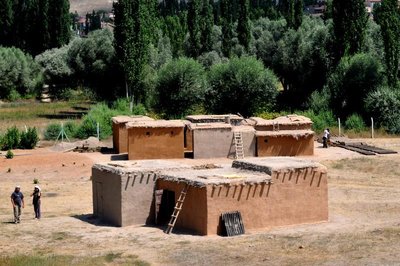
The Natufian culture ( nə-TOO-fee-ən) is an archaeological culture of the late Epipalaeolithic Near East in West Asia from 15–11,500 Before Present. The culture was unusual in that it supported a sedentary or semi-sedentary population even before the introduction of agriculture. Natufian communities may be the ancestors of the builders of the region's first Neolithic settlements, which may have been the earliest in the world. Some evidence suggests deliberate cultivation of cereals, specifically rye, by the Natufian culture at Tell Abu Hureyra, the site of the earliest evidence of agriculture in the world.
The world's oldest known evidence of the production of bread-like foodstuff has been found at Shubayqa 1, a 14,400-year-old site in Jordan's northeastern desert, 4,000 years before the emergence of agriculture in Southwest Asia. In addition, the oldest known evidence of possible beer-brewing, dating to approximately 13,000 BP, was found in Raqefet Cave on Mount Carmel, although the beer-related residues may be a result of spontaneous fermentation.
Generally, though, Natufians exploited wild cereals and hunted animals, notably mountain gazelles. Archaeogenetic analysis has revealed derivation of later (Neolithic to Bronze Age) Levantines primarily from Natufians, along with substantial later gene flow from Anatolia.
Dorothy Garrod coined the term Natufian based on her excavations at the Shuqba Cave at Wadi Natuf.
Natufian Culture News
Tags
No tags available for this topic.