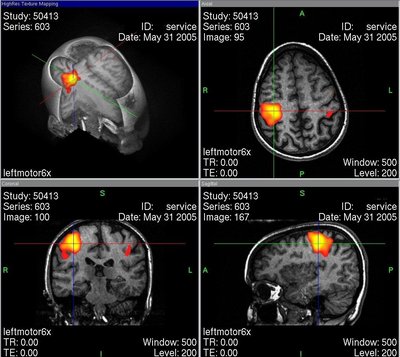


Description
Neurofeedback is a type of biofeedback that focuses on the neuronal activity of the brain. The training method is based on reinforcement learning, where real-time feedback provided to the trainee is supposed to reward and reinforce desired brain activity or inhibit unfavorable activity patterns. In short, it is self-regulating training that generally utilizes EEG for operant conditioning.
Different mental states (for example, concentration, relaxation, creativity, distractibility, rumination, etc.) are associated with different brain activities or brain states.
Similarly, symptoms of mental or brain-related health issues are associated with neuronal overarousal, underarousal, disinhibition, or instability. Thus, neurofeedback tries to yield symptom relief through an improved regulation of neuronal activity.
Apart from being a therapeutic approach, neurofeedback is increasingly used for healthy people as well, aiming at improved cognitive regulation skills according to individual goals and needs.
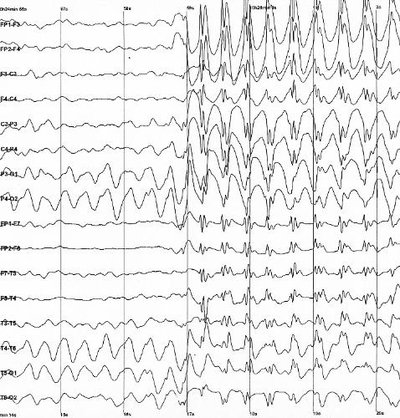
There are various methods of providing feedback of neurological activity. The most common application uses the measurement of electroencephalography (EEG), where the electrical activity of the brain is recorded by electrodes placed on the scalp. Other, less usual methods, rely on functional magnetic resonance (fMRI), functional near-infrared spectroscopy (fNIRS), or hemoencephalography biofeedback (HEG).
Neurofeedback News
Collections
No collections available for this topic.