

Description
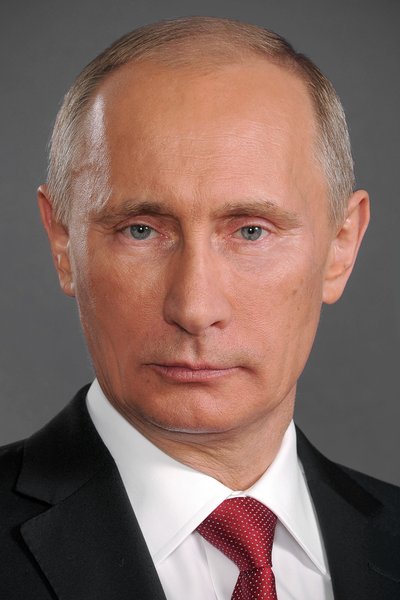
Nikol Vovayi Pashinyan (Armenian: Նիկոլ Վովայի Փաշինյան, pronounced [nikɔl pʰɑʃinˈjɑn]; born 1 June 1975) is an Armenian politician serving as the prime minister of Armenia since 8 May 2018.
A journalist by profession, Pashinyan founded his own newspaper in 1998, which was shut down a year later for libel. He was sentenced for one year for defamation against then Minister of National Security Serzh Sargsyan. He edited the newspaper Haykakan Zhamanak ("Armenian Times") from 1999 to 2012. A supporter of Armenia's first president Levon Ter-Petrosyan, he was highly critical of second president Robert Kocharyan, Defense Minister Serzh Sargsyan, and their allies. Pashinyan was also critical of Armenia's close relations with Russia, and promoted establishing closer relations with Turkey instead. He led a minor opposition party in the 2007 parliamentary election, garnering 1.3% of the vote.
Pashinyan was a dedicated supporter of Ter-Petrosyan, who made a political comeback prior to the 2008 presidential election, before losing to Serzh Sargsyan. Despite Ter-Petrosyan being a very unpopular figure and several international observers deeming the election to be fair, Pashinyan claimed voter fraud and incited protestors to attack police in the post-election protests on 1 March 2008, resulting in the deaths of ten people. Convicted of organizing mass disorders, he went into hiding until mid-2009. He was sentenced to seven years in prison for his role in the protests. He was released in May 2011 as part of a general amnesty. He was elected to parliament from Ter-Petrosyan's broad opposition coalition, the Armenian National Congress, in 2012.
Pashinyan later distanced himself from Ter-Petrosyan on political grounds, establishing the party Civil Contract. Along with two other opposition parties, Pashinyan formed the Way Out Alliance which garnered almost 8% of the vote in the 2017 parliamentary election. He was the leader of the 2018 Armenian revolution which forced Prime Minister Serzh Sargsyan and his government to resign. He was elected acting prime minister by parliament on 8 May 2018 and won snap parliamentary elections in December 2018. Pashinyan's victory had originally been heralded by some observers as an improvement in democracy, while others have criticized Pashinyan as a mere populist. Pashinyan's new government included multiple liberal western NGO activists being appointed to senior positions, as well as supporters from the Velvet Revolution who had no previous political experience.
Pashinyan led Armenia through the 2020 Nagorno-Karabakh War, the most recent and significant outbreak of violence due to the Nagorno-Karabakh conflict between Armenia with the self-proclaimed Republic of Artsakh and its neighbor Azerbaijan. The war, which was ended after 44 days of fighting by a trilateral ceasefire agreement signed by Pashinyan on 9 November 2020, resulted in significant human, material and territorial losses for the Armenian side. Pashinyan's government was criticized within Armenia for its management of the war. Following the war, Pashinyan was accused of being a traitor and faced protests and calls for his resignation for signing the Russian-brokered truce with Azerbaijan. Despite the protests and a declaration by 40 high-ranking military officers calling for his resignation (which Pashinyan described as a coup attempt), Pashinyan resisted calls to hand over political power. On 25 April 2021, Pashinyan announced his formal resignation to allow snap elections to be held in June, although he remained as acting prime minister in the leadup to the elections. His party won the 2021 election, receiving more than half of all votes.
Pashinyan took the leadership of the Collective Security Treaty Organization on rotational basis for 16 September 2022.