
Description
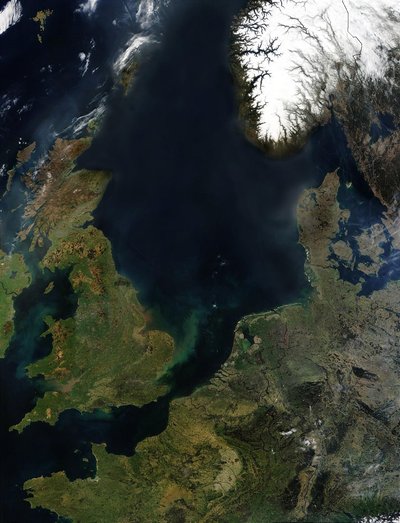
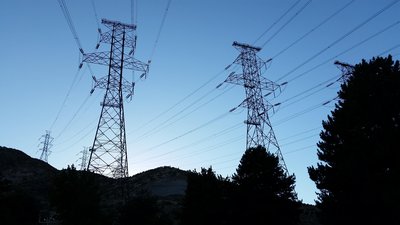
Operation Outward was a British campaign of the Second World War that attacked Germany and German-occupied Europe with free-flying balloons. It made use of cheap, simple balloons filled with hydrogen and carrying either a trailing steel wire to damage high voltage power lines by producing a short circuit, or incendiary devices to start fires in fields, forests and heathland. A total of 99,142 Outward balloons were launched; about half carried incendiaries and half carried trailing wires.
Compared to Japan's better-known fire balloons, Outward balloons were crude. They had to travel a much shorter distance so they flew at a lower altitude – 16,000 ft (4,900 m), compared with 38,000 ft (12,000 m) – and had only a simple mechanism to regulate altitude by means of dropping ballast or venting lifting gas. This meant the balloons were simple to mass-produce and only cost 35 shillings each (approximately equivalent to £102 in 2023). The free flying balloon attacks were highly successful. Although difficult to assess, their economic impact on Germany was far in excess of the cost to the British government.
Operation Outward News
Tags
Collections
No collections available for this topic.